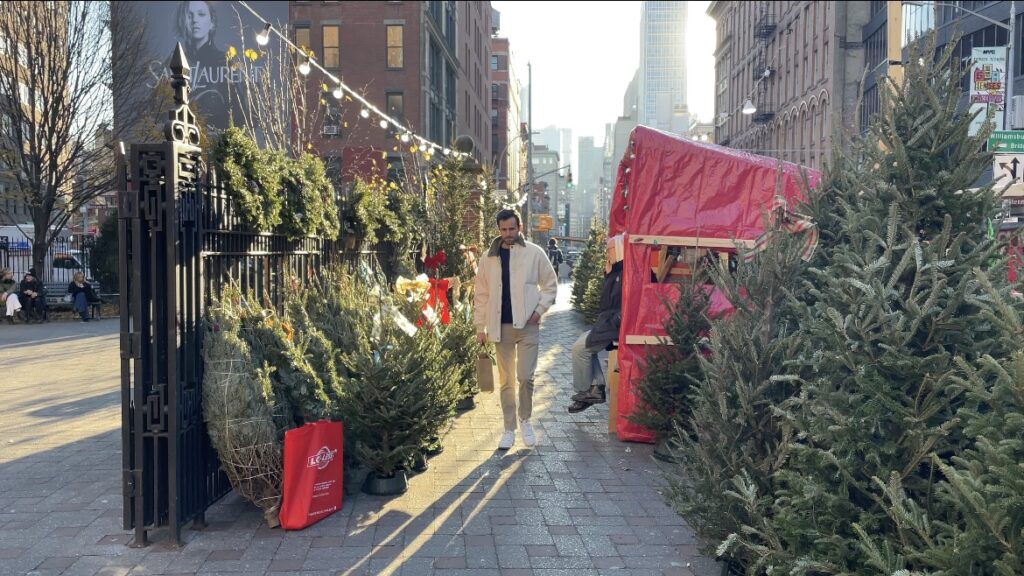
Christmas, for some, is a magical time in NYC, and Christmas trees are abundant, in shops, in windows and on streets. It’s no secret that New York is an expensive city, however, and the Christmas trees sold here reflect that.
Climate change, inflation, and increases in cost of labor all contribute to the rise in tree prices lately. A tree can take years to grow, and yearly weather conditions also affect its development.
Here in SoHo in lower Manhattan, prices are wildly marked up. On Lafayette and Kenmare, there is a store for NYC Tree Lady, a tree seller with various locations throughout Manhattan.
A small 3-4 foot tree can cost as much as $180 or even $200. The larger, more standard sized trees cost upwards of $300 and $500, and some specialty tree breeds, like noble firs and victorians, are even more than that.
Jordan is the Christmas tree expert manning the store during the day, and D is the overnight tree seller.
Their trees come from upstate NY, Canada, Vermont, North Carolina, Pennsylvania and even Oregon. “Because of that, you’re also paying for freight, and you’re paying for supply chain, so it’s gonna be more expensive. We also have species that are very rare, this is a victorian. Not many people have ceilings that tall, so it’s also for a specific customer that we put that tree,” said Jordan.
Steven, a customer from Williamsburg, says he picked up a large tree in Brooklyn for $110,
Jordan says he does what he can to make customers happy. “The whole point of this business is to give people a cheery, happy holiday. So we always make sure that if it’s out of someone’s price range, we’ll find them a tree that works in their price range, works within their budget, to make sure everyone has a happy holiday.”
Related Posts
March 31, 2026
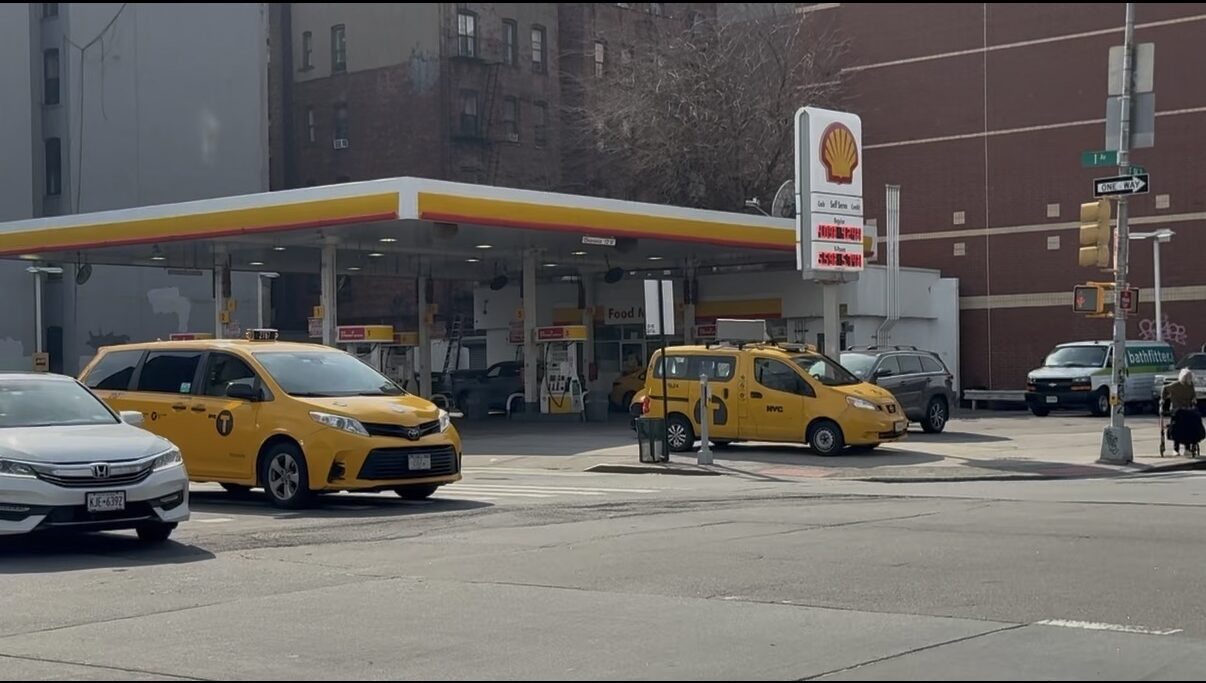
Pain at the Pump: NYC Taxi Drivers Squeezed by Rising Gas Costs
Oil prices have surged amid the war with Iran and disruptions to global supply routes, driving gas prices higher worldwide. In New York City, Taxi and ride-share drivers are feeling the squeeze, as rising fuel costs cut into already tight earnings.
March 9, 2026
The Economic Ripple Effects of Slowing Immigration
How an immigration slowdown could reshape the U.S. Economy.