(WASHINGTON) — Public safety and community connection were the primary focus at the October meeting of a District of Columbia Advisory Neighborhood Commission (ANC). The centrally located ANC1B includes parts of the Columbia Heights, U Street Corridor and Shaw neighborhoods about two miles north of the U.S. Capitol.
The Oct.9 meeting convened with all nine commissioners present and a few residents gathered at the Josephine Butler Parks Center. The atmosphere was upbeat and collaborative with laughter and conversation before the meeting began. Miguel Trindade Deramo, chairman of the commission, warmly welcomed everyone and began the meeting promptly at 6:30 p.m.
The agenda reflected both ongoing priorities and new initiatives aimed at addressing ongoing challenges and strengthening the neighborhood’s sense of community.
Public safety was the most pressing issue, with two homicides occurring within ANC boundaries over the past month.
Commissioner Francois Barrilleaux delivered the latest neighborhood crime report, noting a concerning rise in homicides within ANC 1B. Two homicides have been reported in the past month, compared to none last year, he said.
“We are seeing crime come down in every category except for homicides right now, as well as burglaries,” Barrilleaux said. “This is something we are going to continue to monitor.” As a solution, he noted progress on the Late Night Hype resolution, a developing initiative aimed at creating a safe, late-night space for youth while improving pedestrian and traffic safety on the busy U Street block, especially during weekends.
Commissioners and guests, including the executive director of the D.C.’s Office of Neighborhood Safety and Engagement (ONSE), emphasized the need for holistic approaches to violence prevention, such as counseling and workforce development for those affected by gun violence.
ONSE executive director Kwelli D. Sneed highlighted several of the office’s community-based programs aimed at addressing the roots of gun violence. Sneed described the Pathways Program, 10-week jobs and life skills training program followed by a four-month work experience for young district residents considered at risk for gun violence. It combines counseling, job training, and wellness sessions to help participants rebuild stability and purpose, Sneed explained.
“A lot of our clients are coming from communities that are not getting along,” she said. “When they walk into the room, their shoulders are like earrings, but each week you see them relax and settle in and enjoy the experience.”
Other committees presented plans that highlighted what’s at stake for residents’ daily life, from the Community Engagement Committee’s push to revive local events like the farmers market and block parties, to the Economic Development Committee’s work on the city’s 2050 Comprehensive Plan.
The Community Engagement Committee presented a series of neighborhood initiatives designed to strengthen local ties and bring back community traditions. Commissioners announced new working groups to develop a toolkit for organizing successful block parties. The groups are also in the process of bringing back the popular neighborhood farmers market and creating street banners to celebrate U-Street’s history and culture. A block party on Oct.25 was also announced.
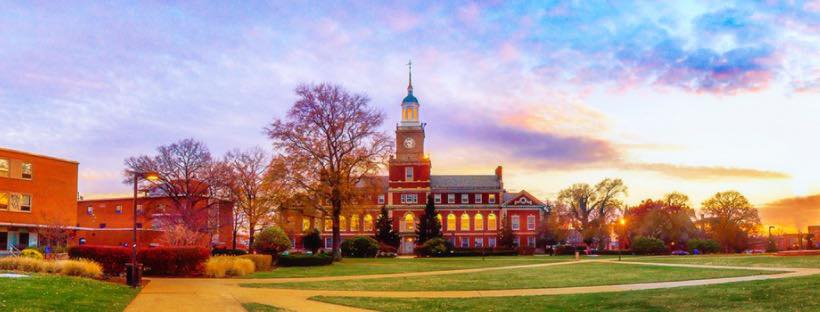
The Economic Development Committee reviewed elements of the city’s 2050 Comprehensive Plan, focusing on how it will guide local growth, programs, and neighborhood clean-team initiatives. Additionally, the Committee on Zoning, Preservation, and Development discussed Howard University’s plan for its new hospital. The university is asking the DC Zoning Commission for approval to adjust its plan and clarify which parcels the hospital will occupy.
Andrew Rivers, a representative from Howard’s Department of Public Safety, shared updates on the school’s 101st Homecoming, Oct 24-25. The whole community was invited to join in celebrating the school’s students, staff, alumni, and donors.
The meeting wrapped up with the commissioners expressing their gratitude for the involvement and input of those who attended and presented at the meeting.
Related Posts
September 10, 2026
Simon and Fannie’s Story: A Tablecloth, a Family Mystery, and Me
I knew that my great-grandfather and his younger brother immigrated from Poland to the U.S. in 1922 when they were only 19 and 17. I did not know the tragic story of the family who were supposed to come with them until I found a photo behind a picture frame.
September 8, 2026
Who’s Really Running the Water in New Jersey’s Capital City?
Interviews with residents and city leaders, a review of government meetings, and governmental standstills show how few officials have been willing to take accountability for the urgent rehabilitation of the Trenton Water Works.