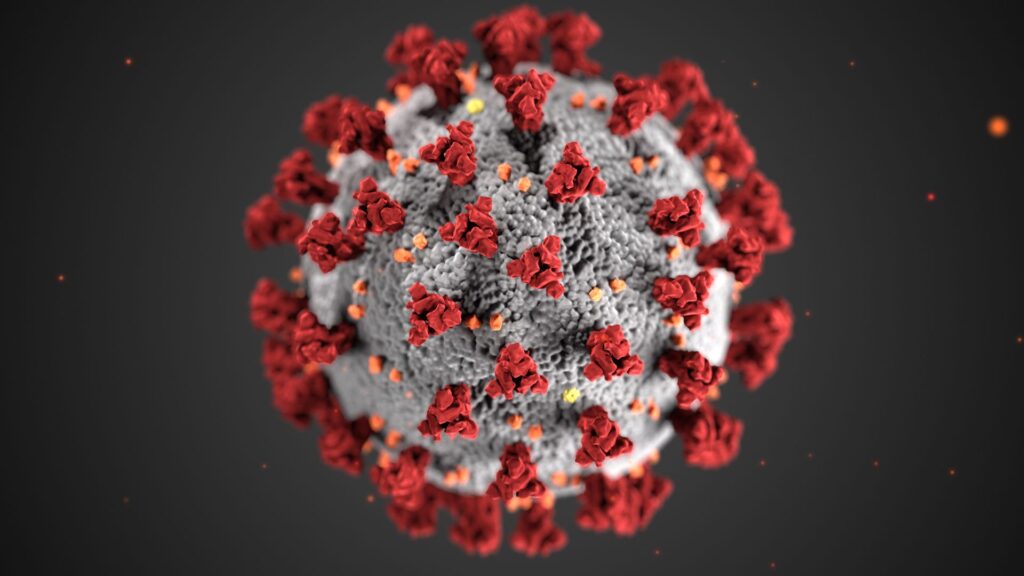
(ROYALTON, Minn.) — When Meagan Haugeto caught COVID-19 in January 2021, she experienced a sensory blackout — a loss of both taste and smell.
Pastries wafting from bakery windows had no appeal. Mountain Dew, her longtime drink of choice, was now just fizzy water. And her favorite flowers, lilacs, might as well have been any other plant in the ground.
“It made life unenjoyable. It made eating unenjoyable. Eating was because I had to, not because I wanted to,” said Haugeto, a Minnesota native who works in the insurance department of a healthcare clinic.
This lasted for months. More than a year later, her senses began to drift back in waves, but it still wasn’t the end. Next came the distortions in smell and taste. All the “bad things” — scents like body odor and cigarette smoke — were amplified, Haugeto said.
Worse yet were the phantom smells, including a constant stream of onions and a strange odor emanating from her body. But it wasn’t coming from her. No one else could smell what she sensed.
Each time Haugeto fell ill, or even got a cold over the coming years, she’d lose her senses of taste and smell again. While her sense of taste is mostly back to normal these days, she still experiences loss and distortion of smell.
Her symptoms didn’t end there.
The Open Medicine Foundation estimates that up to 400 million people across the world have some form of long COVID [Credit: Pexels / Pixabay]
“I remember, clear as day, I was talking with a nurse from a clinic and in the middle of the sentence I was saying, I just stopped talking. I knew what I wanted to say, but I couldn’t form the words to say it out loud,” she said. “There were times where it just didn’t come back, and I couldn’t finish the conversation. It was defeating, embarrassing and frustrating.”
Her doctors have diagnosed her with long COVID, which the CDC defines as a chronic condition occurring after SARS-CoV-2 infection that lasts for at least three months.
Haugeto is far from alone. The Open Medicine Foundation, a nonprofit dedicated to chronic illness research, estimates that up to 400 million people across the world have some form of long COVID. The CDC says it can include a vast array of symptoms, including sustained fatigue, digestive issues, heart problems, difficulty breathing, shortness of breath, sleep problems, depression and anxiety. Over time, these symptoms “may improve, worsen, or be ongoing.”
Haugeto and others have been told by doctors that they’ve been impacted by long COVID. But, because there are no approved tests for the condition, clinicians do not currently have a universally agreed upon diagnostic standard.
A study from Frontiers in Medicine, a global medical journal, notes that because a long COVID diagnosis primarily relies on patient-reported symptoms, it is subject to a physician’s subjective interpretation. “Many hallmark symptoms — such as fatigue, brain fog, and memory decline — lack objective biomarkers, leading to inconsistent diagnoses and under-recognition in clinical settings,” the study notes.
And, there are currently no nationally-approved treatments or cures. Many long COVID patients are continuing to face similar issues years after being diagnosed.
“I have struggled a bit mentally with it,” said Nancy Paetzold, a rural Indiana native who is dealing with ongoing smell alteration. “It’s kind of worrisome not knowing the scents around me, or if I have odor,” she says. “And people have given me gifts such as candles that I can’t smell.”
Toni Toth, a commercial fisher from Alaska, had both her smell and taste altered after her COVID-19 infection in August of 2022.
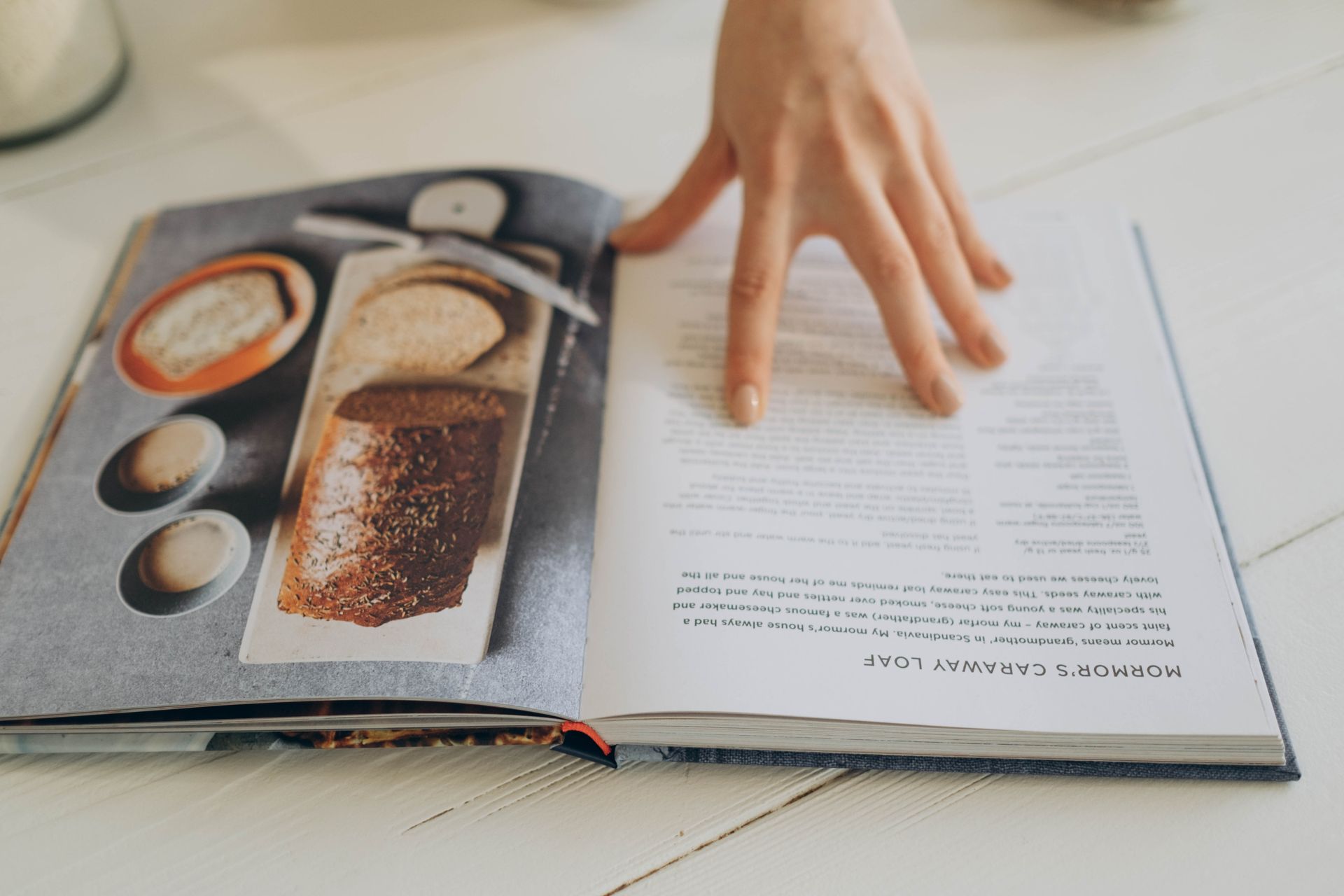
“Now recipes tell me to ‘cook until fragrant’ or ‘season to taste,’ and those words have become meaningless,” one patient told The Click. [Credit: Pexels]
The severity of her taste and smell alterations ebbs and flows from day to day, but she knows it’s not the same as before her illness.
Some long COVID sufferers said that when consulting their primary care physicians, even if the doctors were understanding, the best advice they could give was to wait it out. Toth said her family doctor was understanding but didn’t offer her ideas for treatment. When trying out an ENT specialist, hoping for more answers, it didn’t go as well.
“The appointment felt very matter-of-fact, with little acknowledgment of the emotional impact this condition has had on my life,” Toth said of the new doctor. “No treatment options were offered, and I left the appointment in tears.”
Others noted the irregularity of their clinician responses. “I don’t feel like I was ignored — it was just a case of, ‘We just have to let it run its course and hope for the best/hope that [your senses] will come back,’” Haugeto said.
How does the illness function?
Taste and smell dysfunction are one of COVID’s neurological impacts. Although sensory receptors exist on the tongue and in the nasal cavity, the brain is where these signals are received, interpreted, and discriminated from one another, notes Cleveland Clinic.
Olfactory (scent) and gustatory (taste) impacts can come in many forms: parosmia, a distorted sense of smell; anosmia, the significant loss of smell; or ageusia, the severe impairment of taste.
Loss of smell or taste can occur in response to several different illnesses. COVID-19, a traumatic brain injury, or even a run-of-the-mill respiratory illness. Someone who’s no stranger to this notion is Chrissi Kelly, a founder of several online platforms dedicated to building community around olfactory loss.
In 2012, long before COVID-19 existed, Kelly contracted a standard upper respiratory virus, which lingered and turned into a sinus infection. Due to the virus, her sense of smell was completely eliminated. But even when she got better, it didn’t come back.
When she saw her general practitioner about the issue, she said they gave her no help. With no instructions on how to move forward, she felt isolated, stuck with an issue she didn’t even understand.
Not knowing where else to turn, she started her own research. She began collaborating on studies investigating the causes behind her olfactory issues. Kelly created an organization called Abscent, which eventually led to a site called CKOS, and is dedicated to bringing these issues to light for the public. News releases, blogs detailing patient accounts, and research updates are listed all in one place for those struggling.
Have any behavioral solutions worked?
Kelly is a proponent of something scientists call “olfactory training.” It involves a conscious engagement with strong scents on a daily basis to “re-train” your senses.
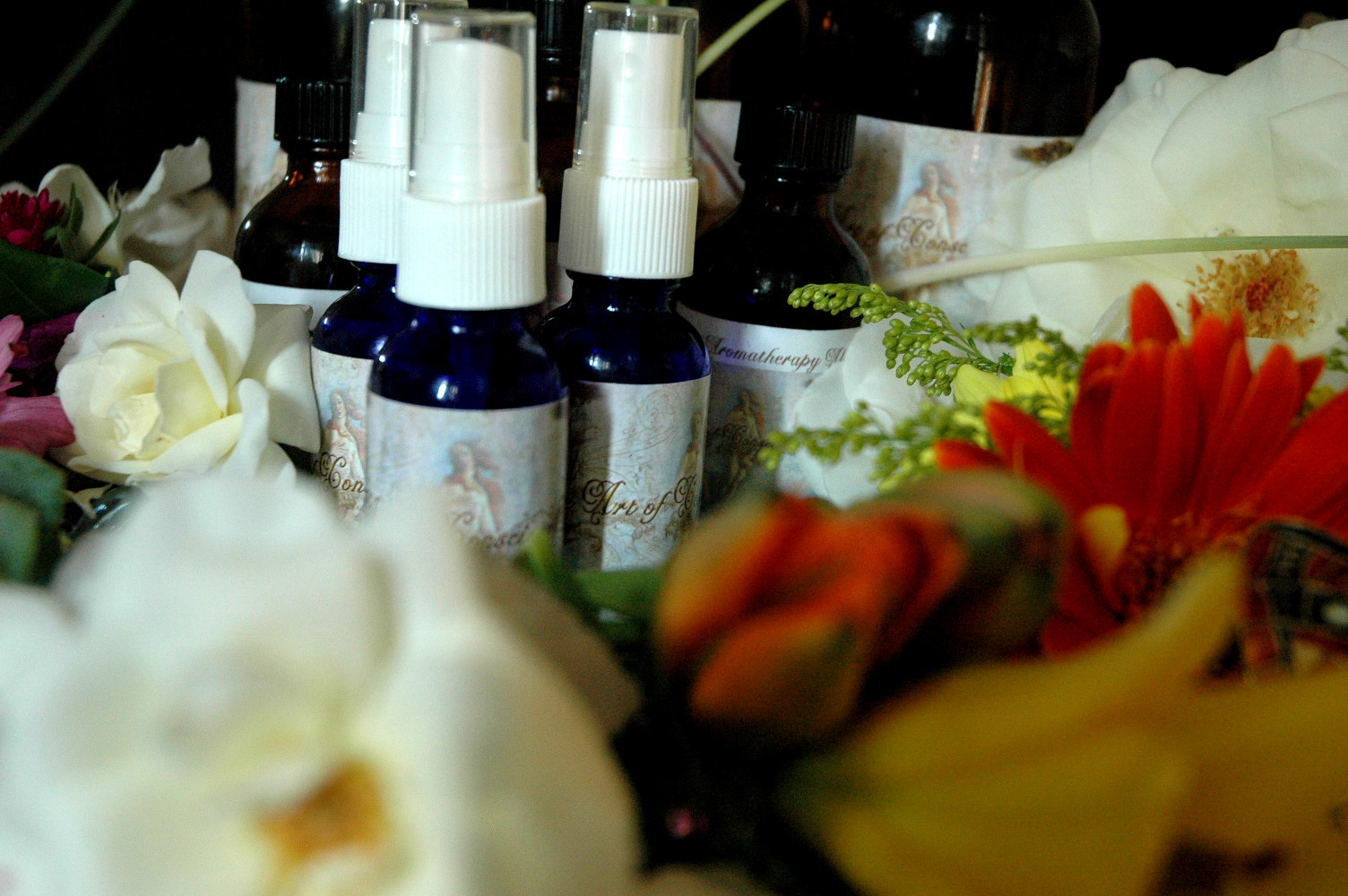
Scent training involves consciously smelling pungent scents twice a day, every day. Often, essential oils are used for this process. [Credit: Flickr / William Ismael aka Willpower LifeForce]
Kelly says it works best when participants engage with memories they have associated with each scent. You are “approaching an odor object with expectation; trying to remind yourself of what that smell was like,” she says, and, “turning on those higher parts of the brain that deal with memory.”
“Some people are not able to conjure up smells, but people learn to do this — like sommeliers and perfumers,” Kelly notes.
The first well-recognized study refining the definition of olfactory training came from Dr. Thomas Hummel in 2009. Hummel now operates the Smell and Taste Clinic at the University of Dresden in Germany, where he teaches, conducts research, and engages with smell-loss patients.
In speaking with The Click, Hummel says that 30-40% of people who practice daily smell training see substantial improvements. This can vary from person to person based on age, health, when the smell loss happened — and most importantly, how much an individual actually engages with the scents. Four scents twice daily is the key to seeing any improvement, he says. It won’t be effective with just one week of work.
There are two primary reasons why it works, he explains. First, smell training activates the olfactory nerve fibers inside of the nasal cavity. By activating these receptors, it can produce more neurons in the nose, which can lead to more effective olfactory cells.
The second reason stems from the brain itself. Engaging and focusing on these pungent scents activates the brain, even if patients can’t perceive it at first. New neurological networks are being formed, and structures related to olfactory sensors may become larger.
As for whether the senses will ever return to their full capacity, Hummel says it can be hard to gauge what the patient’s scent was truly like before the loss. Particularly with smell, our senses are quite malleable over time. Scent is something that can change significantly with age or illness, he notes.
This presents an opportunity for long COVID patients who practice smell training. Hummel wants patients to know that above all, there is hope.
“I always was fascinated by that plasticity in a sense of smell,” Hummel says. “That really separates the sense of smell from other senses. Because it changes all the time.”
For Kelly, it worked.
“There’s no doubt in my mind that smell training has been helpful for me,” she said. Through her daily smell-training practices, she went from complete anosmia to being able to differentiate differences between citrus, her favorite scent of all.
Years after this initial research, when Kelly started noticing the loss of taste and smell occurring from COVID-19, there was a spike of interest in her platforms. In one of her Facebook groups dedicated to loss of smell, which you must fill out a questionnaire in order to join, she had close to 1,000 new members overnight.
The Facebook group now has over 32,000 participants. Commenters come from all over the world — California, Michigan, Italy, England, Scotland — just to name a few. All sharing their experiences of losing their senses, and trying, somehow, to find them again.
Where can patients turn now?
There are now hundreds of published studies testing loss of taste and smell, and other long-COVID symptoms, on patients of all ages, parts of the world and symptom profiles. Haugeto and others have participated in worldwide studies, clinical trials, and conversations to keep their stories in the public eye. The CDC has also denoted long COVID as a chronic illness.
Exploration and diagnoses might be out there, but treatments that work for every symptom simply aren’t available yet.
With long COVID as a whole, this may be due to a lack of specific biomarkers, says Miles Griffis, the co-founder and executive editor of The Sick Times, a publication dedicated to articles “chronicling the long COVID crisis,” as the website notes.
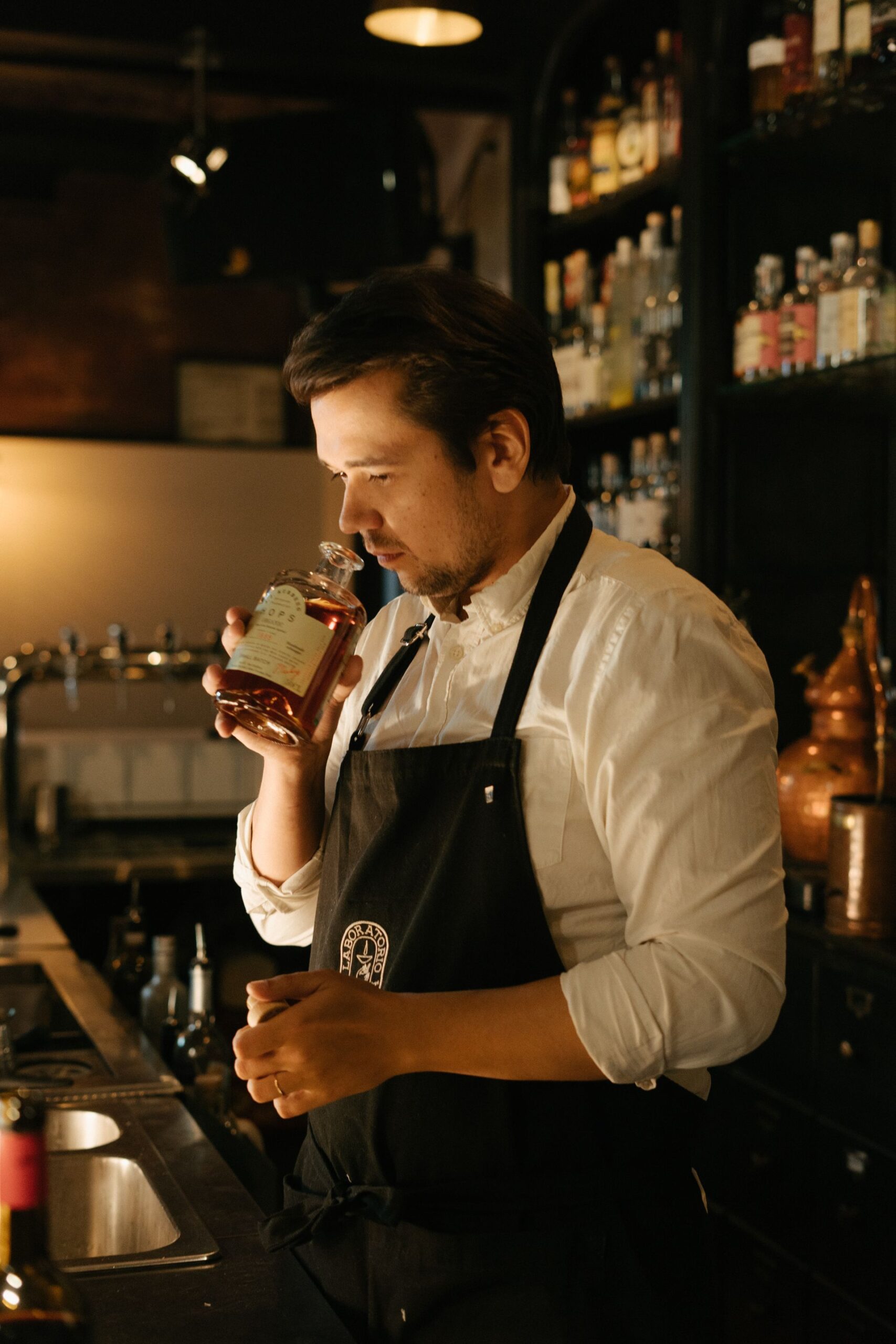
Some research shows that patients can retrain their senses, just like sommeliers and perfumers learn to do. [Credit: Pexels / cottonbro studio]
The NIH RECOVER Initiative is a nationwide U.S. research program, bringing together patients, clinicians and researchers to understand and treat long COVID. It has been successful in mapping frequent long -COVID symptoms, like autoimmune changes, chronic inflammation, and neurological issues like loss of taste and smell. The website notes that the initiative has received more than $1 billion in federal funding since 2021.
And yet, there are no approved biomarker tests or cures in 2026. The progress is still in the works, Griffis says.
“So many diseases have taken many decades to reach a treatment for MS, HIV, so many things,” he notes.
Griffis suffers from a number of long-COVID symptoms himself, including autoimmune dysfunction, gut issues, and inappropriate sinus tachycardia (a form of dysautonomia where the heart beats abnormally fast), and muscle and joint aches that can be debilitating.
Haugeto, Paetzold, Kelly, Toth and Griffis all note that sometimes the biggest hurdle is finding a clinician, or anyone, who believes in your symptoms. For the members of Kelly’s Facebook groups, Griffis’ publication, and Hummel’s patients, success comes in keeping the stories front and center.
In a blog post she wrote last year, Toth describes her own path forward
“I’ll keep showing up. I’ll keep cooking — imperfectly, stubbornly, lovingly. I’ll keep pausing to remember what once was, and I’ll hold space for what could return,” she wrote. “Because one day, maybe, the scent of lilacs on a spring breeze, or the taste of my great grandma’s pierogi will return.”
Related Posts
September 16, 2026
Find Your Zen and Save the Planet in New Jersey
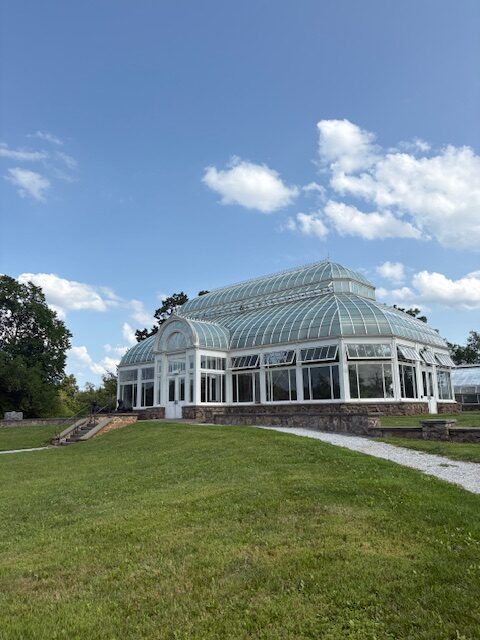
Duke Farms, a 2,700-acre nature preserve in Hillsborough, New Jersey features hiking trails, a greenhouse, native wildlife and more. They also see themselves as environmental stewards, focusing on conservation, sustainability, and responsible farming.

May 7, 2026
How Long Island Shaped Aerospace History
Two docents at the Cradle of Aviation tell us how Long Island has changed the history of aerospace.