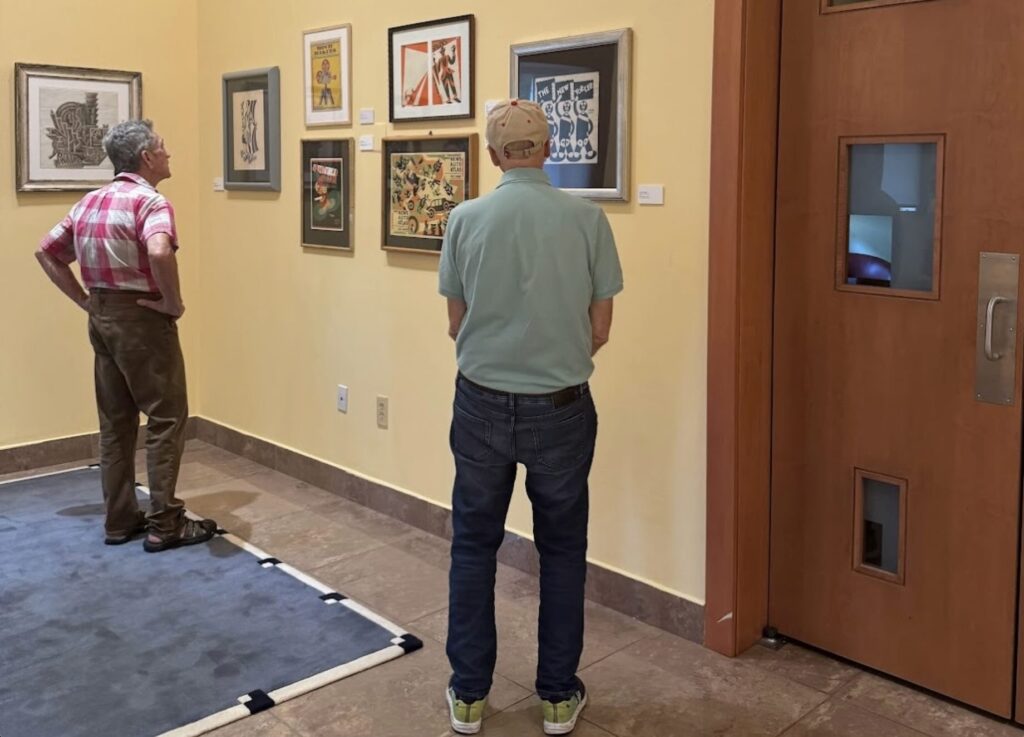
(WASHINGTON) — The Embassy of Italy and the Italian Cultural Institute hosted the public opening of an exhibition celebrating Fortunato Depero, one of Italy’s most celebrated Futurist artists, on Sept. 15.
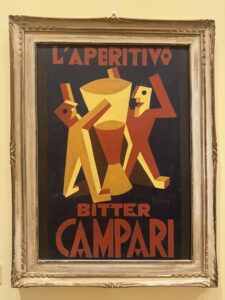
L’Aperitivo Bitter Campari, an advertisement Depero designed in 1927 [Credit: Anabelle Anthony]
The exhibit, titled “DEPERO: Graphic Art Between Italy & the United States,” includes approximately 50 drawings, collages, paintings, and printed works showcasing Depero’s evolution as an artist and highlighting his creative ties to the United States.
It is intended to show visitors a brighter side of Futurism, according to Maurizio Scudiero, director of the Depero National Archive in Rovereto, Italy, who curated the show.
“I hope viewers take away an idea about what Futurism is,” he said. “I hope they find Depero to be completely different from the Futurism they are used to, and that they find it joyful and colorful. This is the face of Futurism.”
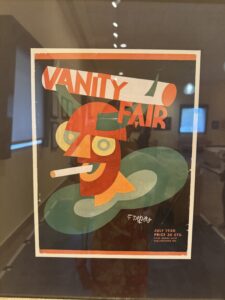
A Vanity Fair cover Depero designed for the magazine’s July 1930 issue. [Credit: Anabelle Anthony]
Depero’s influence on modern branding styles is seen in “Unique Futurist Campari Number 1931,” which, according to the show catalog, exemplifies what the artist called “advertising poetry,” the combination of visual art with text. The “Bitter Campari,” an advertising project shown in the same room, uses geometric shapes, bold colors, and playful design, transforming a simple aperitivo ad into a work of modern art.
Throughout his career, Depero’s ideas developed and repeated. Scudiero explained that sketches and finished works are displayed side by side, including a scrapped biscuit ad that Depero later turned into a New Yorker cover. “He was a man who never threw away work,” he said.
The exhibition is open to the public until Jan. 30 through guided tours, which are free with registration through the Italian Cultural Institute’s Eventbrite.
Related Posts
October 10, 2026
Analog Art in the Digital Age
Amber Lauder is a photographer who has embraced the analog aspects of her craft in an effort to stay connected with the world around her.
October 9, 2026
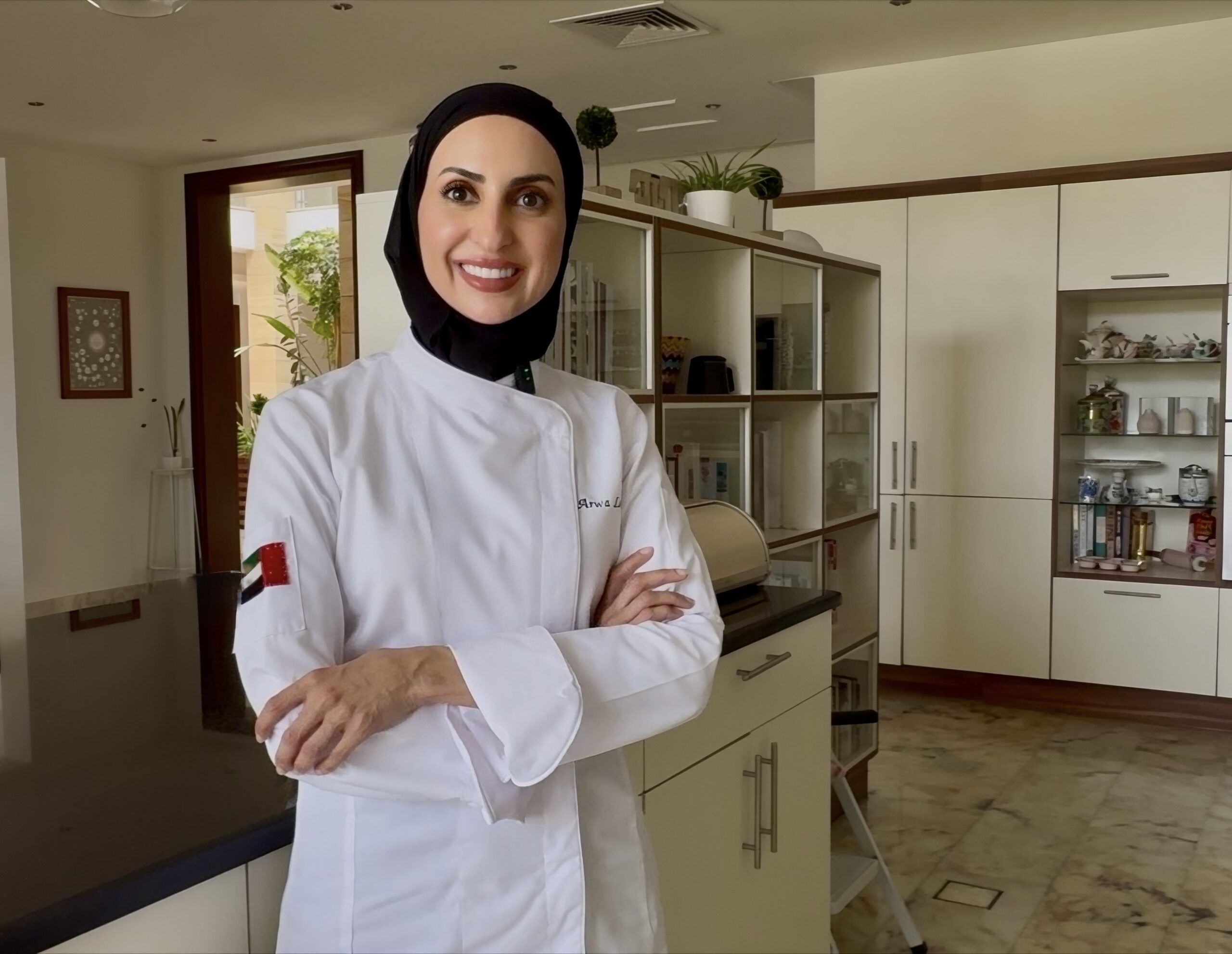
Chef Arwa Lootah is Putting Emirati Cuisine on the Map
For hundreds of years, Emirati cuisine has rarely been documented or written down. Now, Emirati chef Arwa Lootah is reimagining the nation’s food for a new generation.