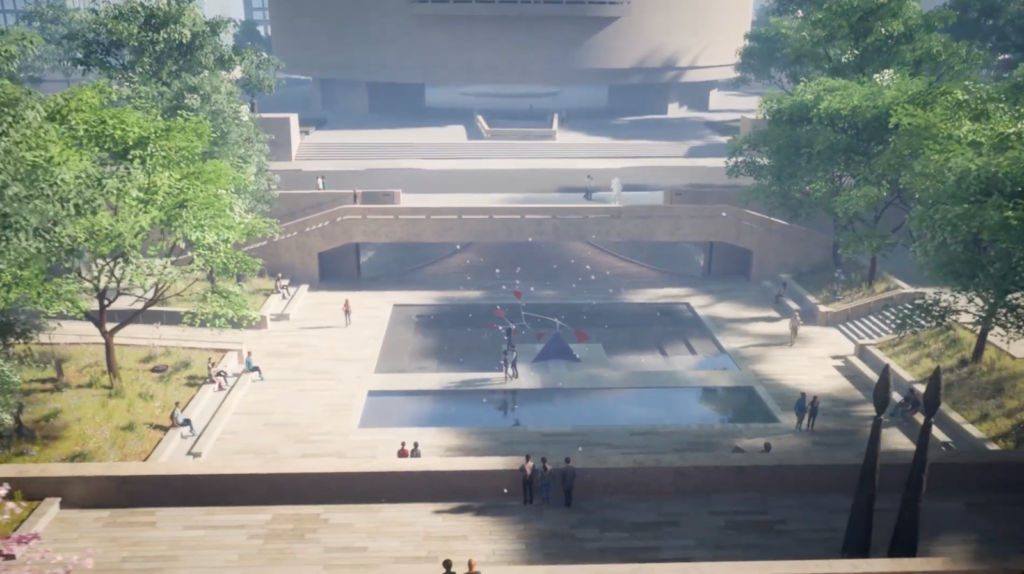
(WASHINGTON) — The Washington, D.C. sunlight glistens across the Hirshhorn Sculpture Garden reflecting pool. Paths once narrow now open toward the National Mall, inviting visitors to step inside the garden and wander. New passageways reconnect the garden to the circular museum, subtly linking earth and architecture.
This is the vision of artist and architect Hiroshi Sugimoto, the lead designer for a revitalized Hirshhorn Sculpture Garden set to open next fall. The garden, built in 1974 as a companion to the museum, is a public space and an outdoor museum featuring works from Auguste Rodin, Jeff Koons, and Yoko Ono, to name a few.
Severe flooding and major infrastructure issues around the concrete walls made it impossible to restore the garden to its previous state, museum director Melissa Chiu explains. Replicating the original design was impractical, leaving room to ask what a 21st-century sculpture garden should be.
Chiu says the goal for the new sculpture garden is simple but profound:
Our hope with the new sculpture garden is that viewers will encounter art in a natural environment, specifically created for the enjoyment of our modern and contemporary art collection. In the best possible case, it would be a space for contemplation, reflection, and quiet moments with art.
Roots and revisions
When the Hirshhorn Museum and Sculpture Garden, part of the Smithsonian Institution, opened in 1974, architect Gordon Bunshaft imagined a place of calm just off the tourist- and Washingtonian-filled stretch of the National Mall. His design was minimal and deliberate, with concrete walls and terraces that provided a natural backdrop for the sculptures. The garden was anchored by a reflecting pool that offered a moment of stillness. But Bunshaft’s modernism left little room for shade or softness. It was a space that asked one to look but not linger.
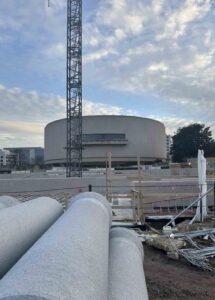
Construction of the Hirshhorn Museum Sculpture Garden in December 2025. [Credit: Anabelle Anthony]
For decades, the two visions coexisted. But as the years passed, the walls weathered, the plantings thinned, and stormwater drainage failures became routine. The garden was due for an overhaul. Now in the midst of its third incarnation, a $68 million transformation led by Sugimoto, the project has sparked a broader question: how do we preserve cultural spaces without trapping them in time? The discussion has divided preservationists and the public alike, each of which sees a different, yet related, balance between memory and renewal. The Hirshhorn Sculpture Garden’s greatest act of preservation may not be what it keeps, but what it allows to grow.
Is this latest vision a natural evolution of what the original garden designers set in motion more than 50 years ago? And if the latest design marks a sharper break from the past, perhaps there is no better fit for such a shift than the yard of a museum dedicated to contemporary art.
A new vision
In 2019, the Hirshhorn’s board of trustees voted unanimously to move forward with the redesign, the museum’s first major renovation in over 40 years. Sugimoto, the Japanese artist and architect who had recently reimagined the museum’s lobby, was selected to redesign the garden.
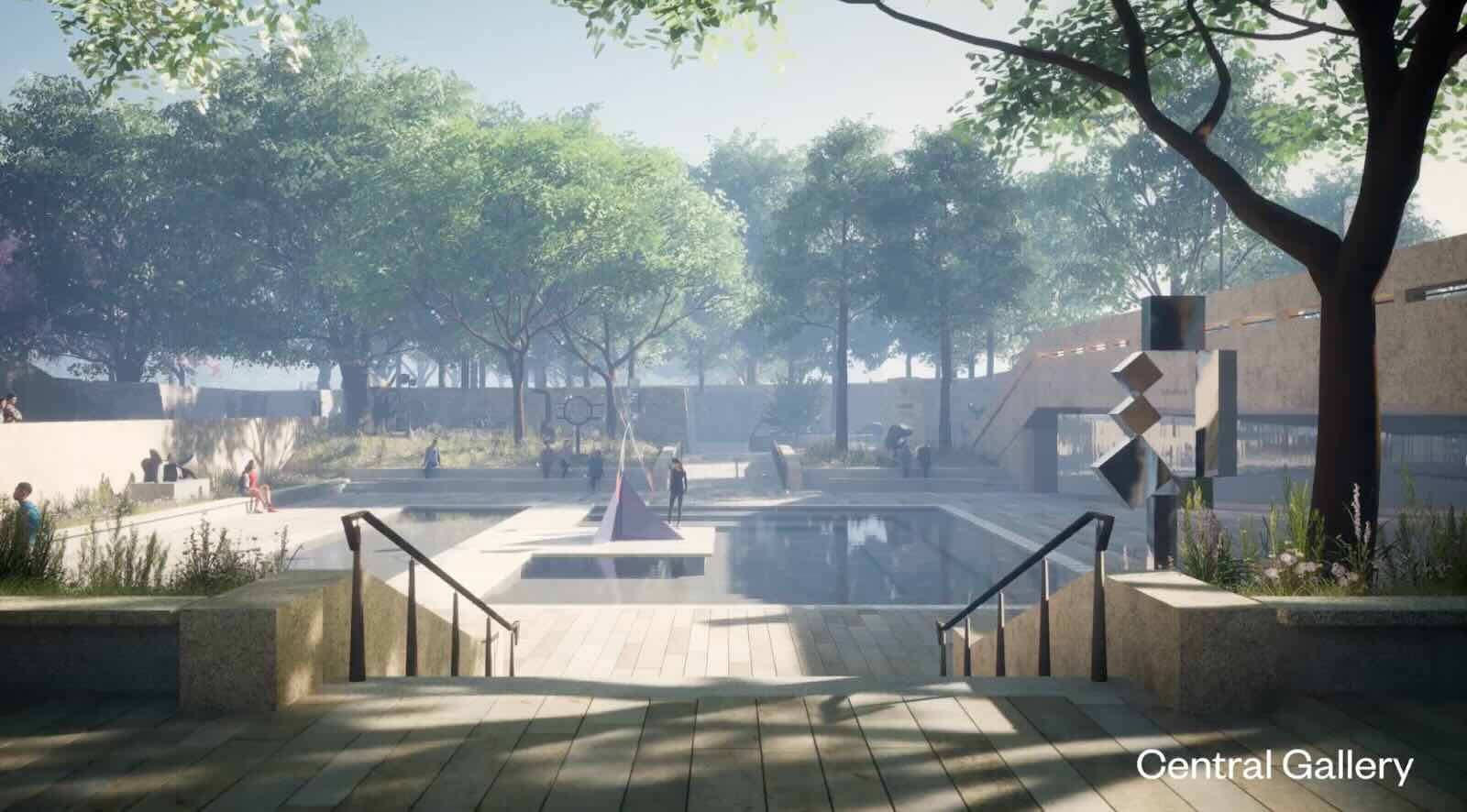
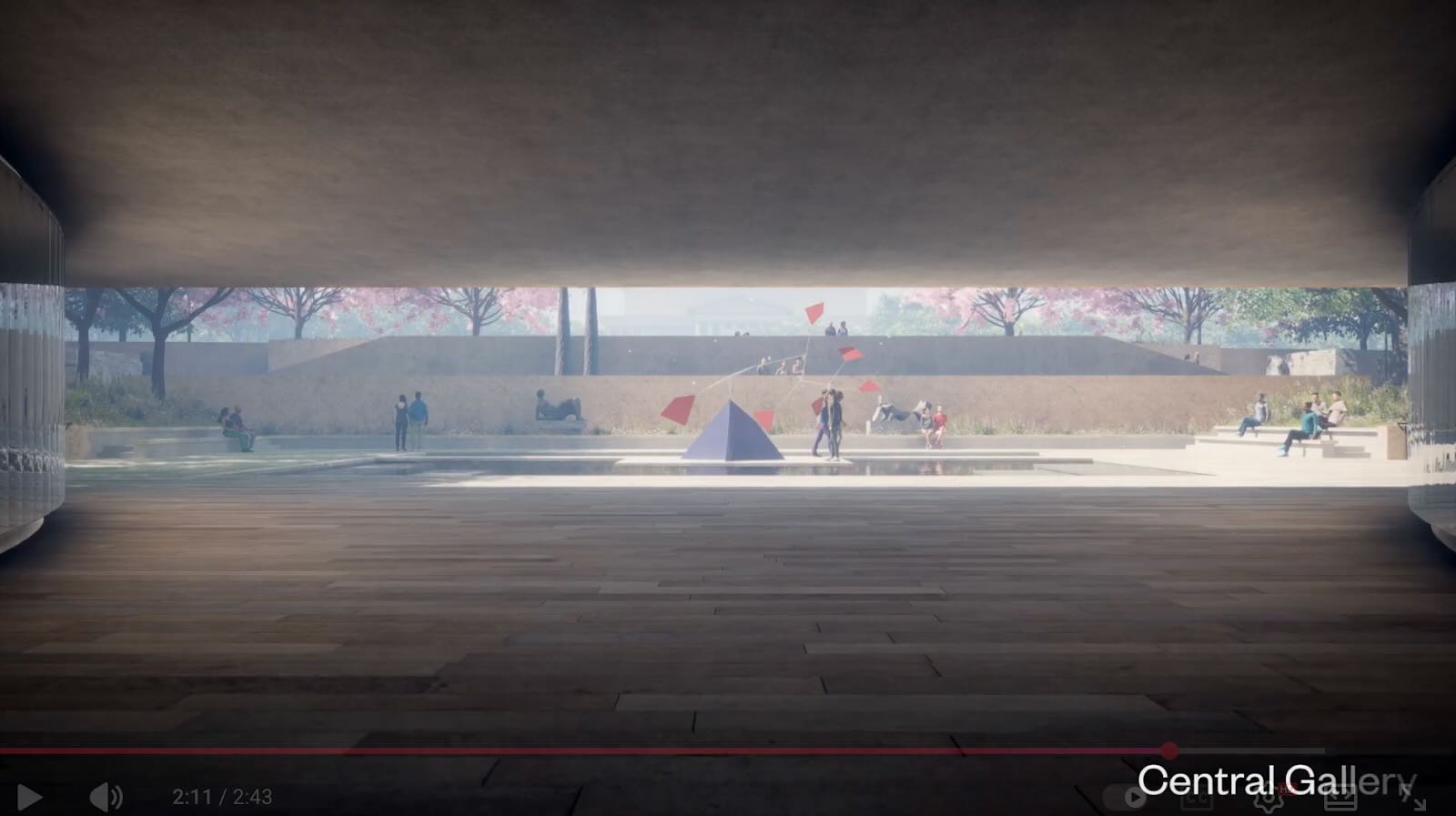
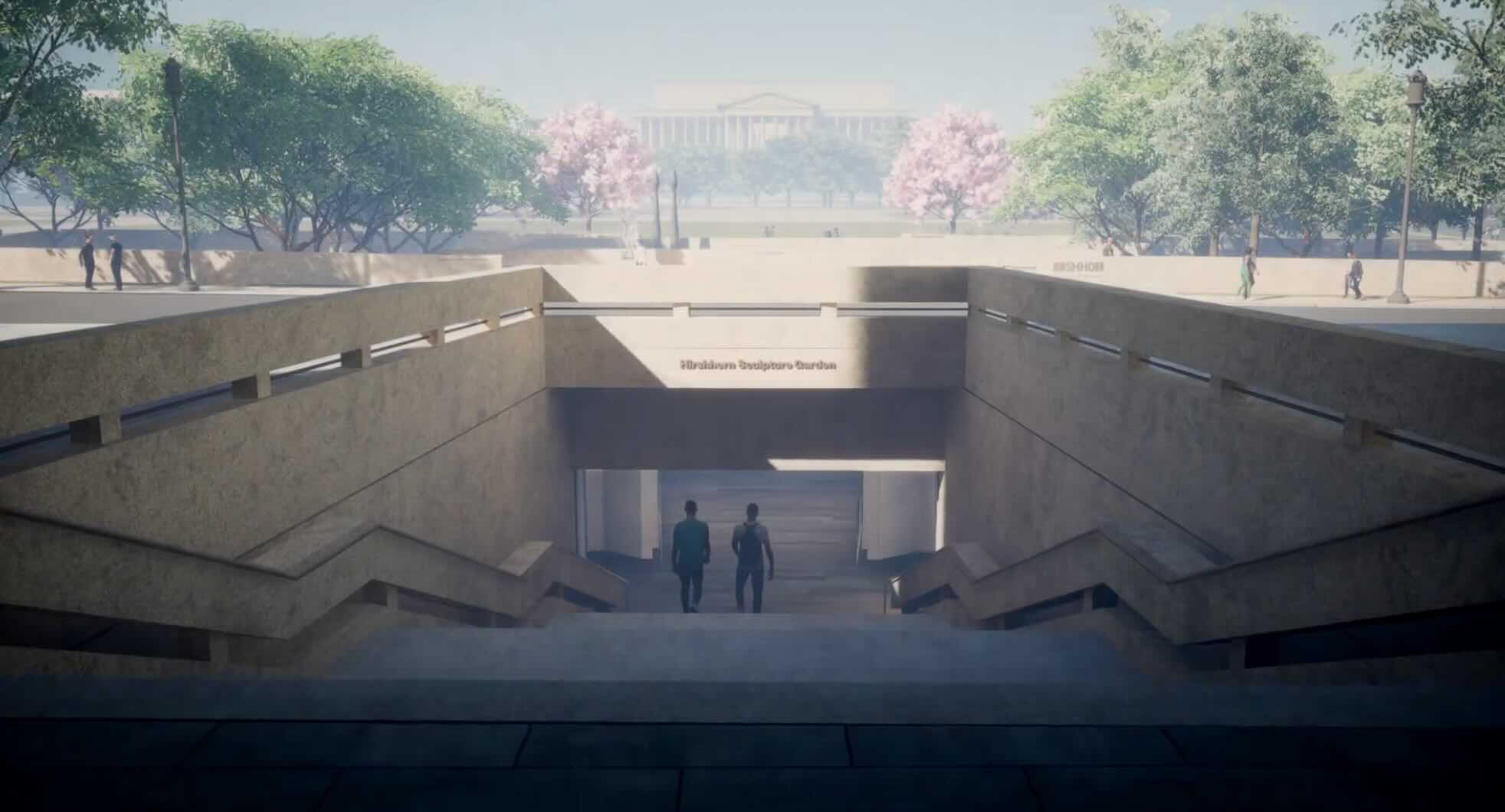
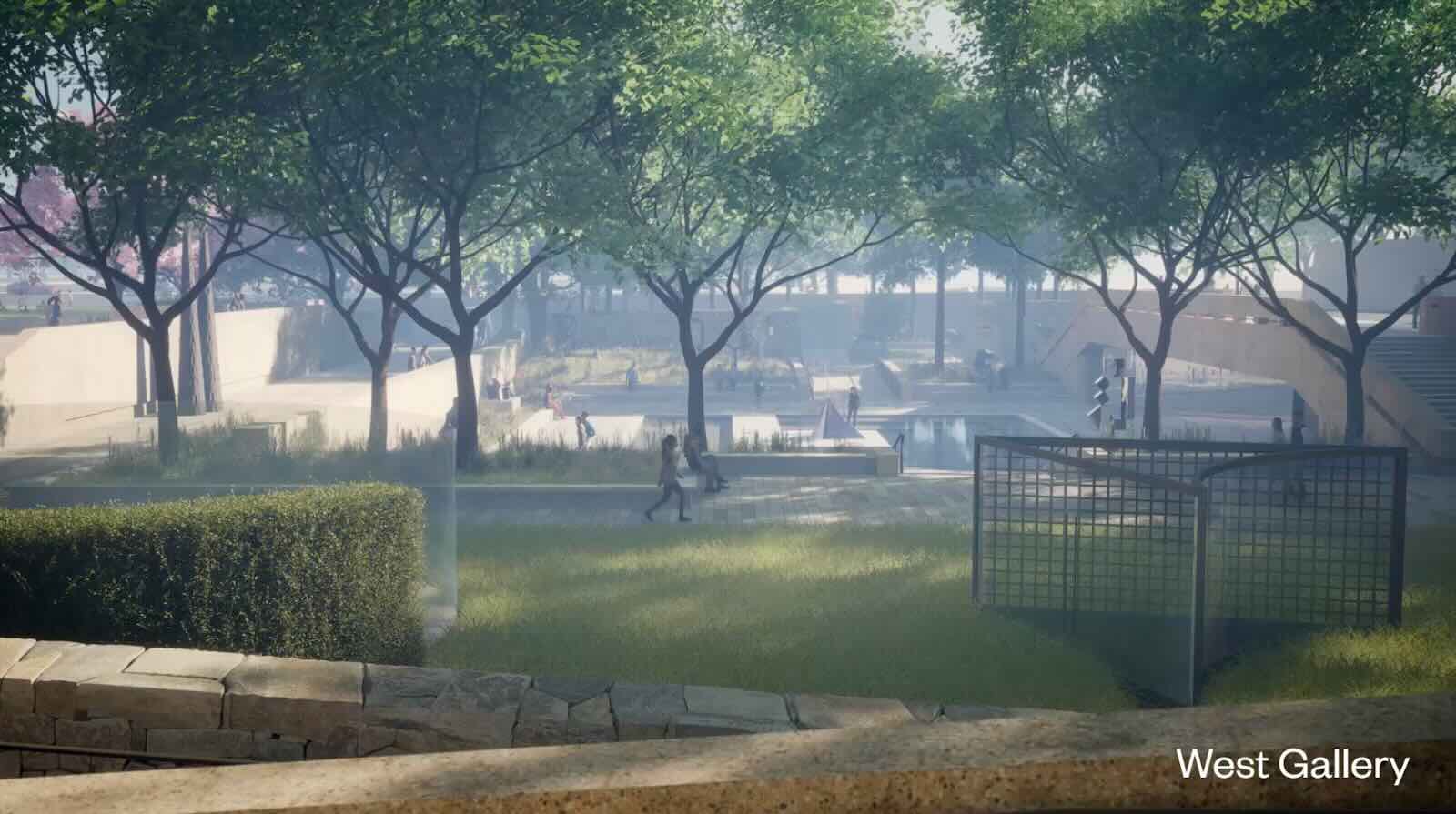
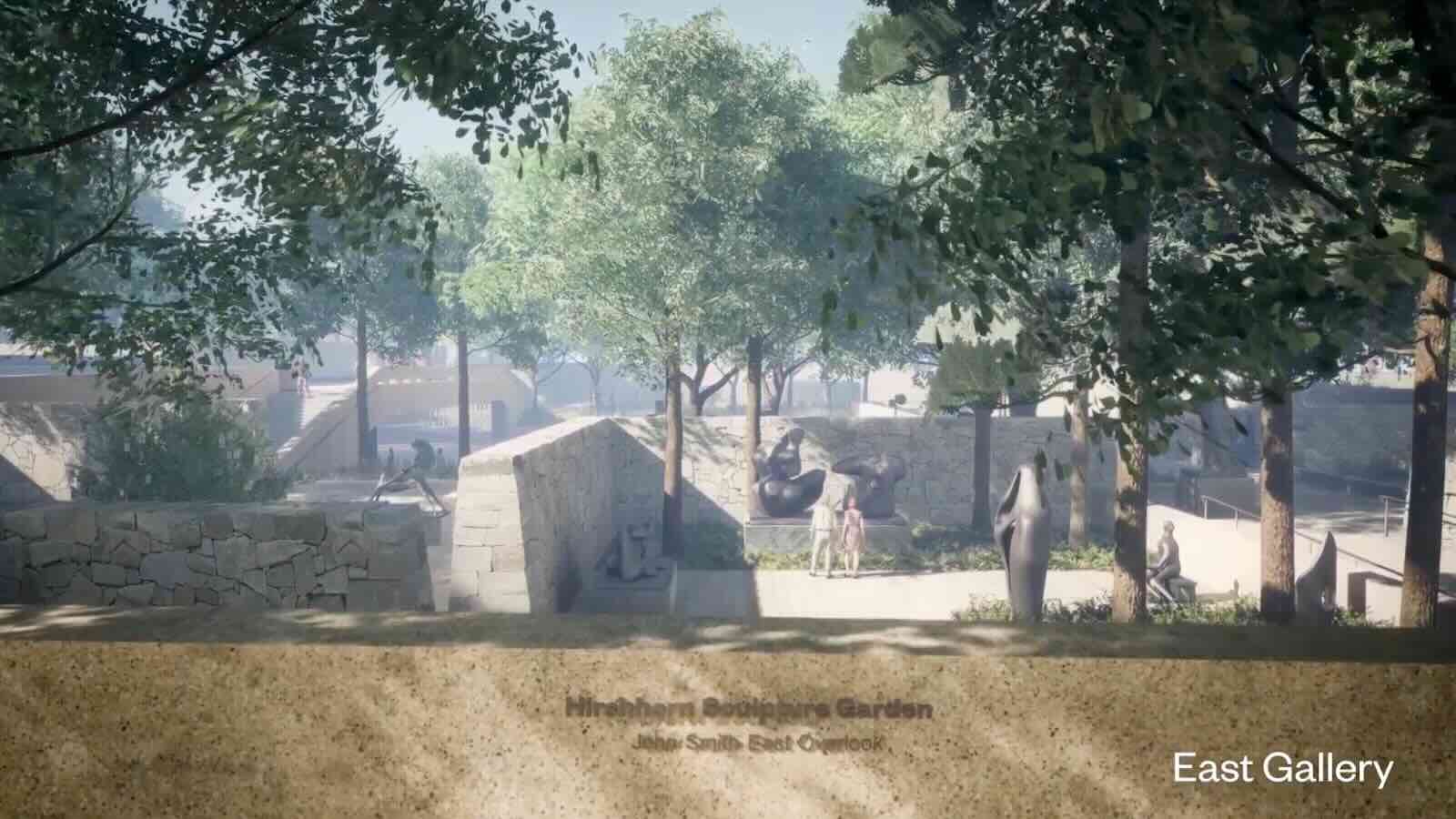
The redesign is both practical and philosophical. Entrances will be made larger, drawing in the millions of people who pass along the National Mall each year. The long-closed underground passageway connecting the garden to the museum will reopen, restored as both a pedestrian passageway and a link between landscape and architecture. Ramps will replace stairs to make the space more accessible, while new plantings and increased shaded seating will make the garden more comfortable. An “open-field gallery” will provide a flexible stage for large-scale sculpture and performance art.
Chiu said that the goal was always centered around the visitor:
“The importance of our new design was centered on our visitorship and our desire to provide the most generous opportunity for visitors to spend time with modern and contemporary art,” she explained. “We realized there were many more visitors on the National Mall than at the sculpture garden entrance, so we expanded the garden entrance to allow greater access. We also wanted to create more distinct and intimate galleries for the appreciation of our modern collection … The new design includes an open-field gallery that accommodates larger works … This allows us to showcase more of that kind of work, which is part of our mission.”
Sugimoto’s philosophy
In many ways, Sugimoto’s approach is about reconnection between the museum and the National Mall, between past and future, between the contemplative quietness of modernism and the energy of contemporary life.
Sugimoto reflected on the motivations behind his design in a recent interview, provided by Hirshhorn, about the project. “I will try to make it fitted to the youth of the museum as a 21st-century museum,” he explained, noting that one of his goals was to bridge the past and the present.
As part of his process, Sugimoto immersed himself in the Hirshhorn’s architectural history, paying particular attention to the work of Bunshaft, the original architect.
“He went to Japan several times,” Sugimoto said. “I saw a picture of him visiting a Japanese Zen garden. He was quite influenced by this. And as a Japanese, I can modify the concept of a Zen garden into a 21st-century contemporary Zen garden. Which is my effort and task.”
The project faced numerous challenges in winning approval, and critics worried that the design diverged too much from the visions of Bunshaft and Collins. “The changes to the pool and the proposed introduction of stacked stone walls alarmed advocates, who argued that the pool and concrete walls visually link the museum and garden and should be retained,” reported The Washington Post.
To shore up support for the renovation, several directors of museums on the National Mall wrote letters praising the new concept and design.
“We are excited about the way that Sugimoto’s design will entice visitors from the Mall into the museum, and vice versa,” Kaywin Feldman, director of the National Gallery of Art, wrote in a 2020 letter to Chiu. “The design … will bring people through the garden and into the museum with a contemporary gesture.”
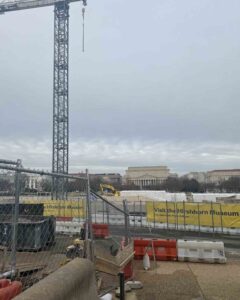
Construction of the Hirshhorn Museum Sculpture Garden in December 2025. [Credit: Anabelle Anthony]
Debating change
Not everyone has greeted the redesign with open arms. As plans for the garden’s renewal moved through public review, the debate centered on how far change should go in a space so tied to its original designers.
For Richard Longstreth, an architectural historian and preservation expert at George Washington University, the answer lies in balance. “Preservation is really about managing change,” he said. “What distinguishes it is that the salient historical qualities of the thing–building, structure, landscape, district–form the basis for what should be maintained.”
Longstreth has followed the Hirshhorn’s plans and recognizes the ambition behind them. But he also cautions against losing sight of coherence. “I think that if the new scheme is more unified and responsive to the building and broader setting, then I would find it something compatible,” he said.
For Melanie Doran, a Washington resident and regular museum visitor, Sugimoto’s design offers promise rather than loss. “He’s expanding the space but still keeping the spirit of Gordon Bunshaft’s original design, which I really appreciate,” she said. “Reopening the old underground tunnel from the original plan is especially exciting. It feels like he’s adding and improving on what’s already there, not trying to change it completely.”
A 21st century question
As fences surround the site and construction noise fills the air on the National Mall, the conversation about the sculpture garden has grown into something larger: a discussion on what preservation means in the 21st century.
The Hirshhorn Museum and Sculpture Garden is a contributing resource to the National Mall Historic District listed in the National Register of Historic Places which means changes are evaluated in the context of its place on the mall and its history.
When asked whether it is possible to reinterpret a historic design and still call it preservation, Longstreth responded, “It depends on what is meant by ‘reinterpretation.’ It is not preservation other than maintaining a sculpture garden there.”
Is preservation beginning to be defined as adaptation? Recognizing that spaces, just like the people who use them, must evolve and grow?
Supporters of Sugimoto’s redesign argue that the project honors the garden’s spirit by allowing it to evolve. Kimberly Charles, a member of the Hirshhorn Museum, believes the renovation captures the museum’s vibe of experimentation. “Melissa [Chiu] approaches every initiative with a rare combination of thoughtfulness and courage,” she said. “Engaging Hiroshi Sugimoto was a brilliant and symbolic choice. His dual identity as artist and architect brings a balance of innovation and respect for place.”
The museum was not able to say which of the iconic sculptures housed in the former garden would live in the new galleries designed for reflection and discovery, although it reported on its website that Yoko Ono’s Wish Tree for Washington would return to the garden.
Museum members like Kimberly Charles see the project as a bridge between eras. “Sugimoto’s vision comes to life, uniting the museum and the sculpture garden into a more accessible, welcoming, and cohesive experience within the National Mall,” she said. “This renovation honors the garden’s modernist roots while opening new ways for visitors to experience art as a living, immersive dialogue between architecture, landscape, and community.”
Beyond the practical changes, Sugimoto is driven by the image of what the garden could become:
“The visual effort will be spectacular,” Sugimoto said in the interview provided by Hirshhorn “As people walk into the garden, in my mind, I can see a vivid image. It is the most beautiful sculpture garden I can imagine.”
Whether this counts as preservation depends on whether one sees preservation as protection, or evolution.
If all goes as planned, a visitor walking along the National Mall this time next year should find broad paths opening toward the museum, lined with fresh plantings and serene terraces where sculptures converse softly with the landscape. It may look different from the original garden, but it stands as proof that a modern museum can keep reinventing itself, even in tradition-bound Washington.
Related Posts
February 20, 2026
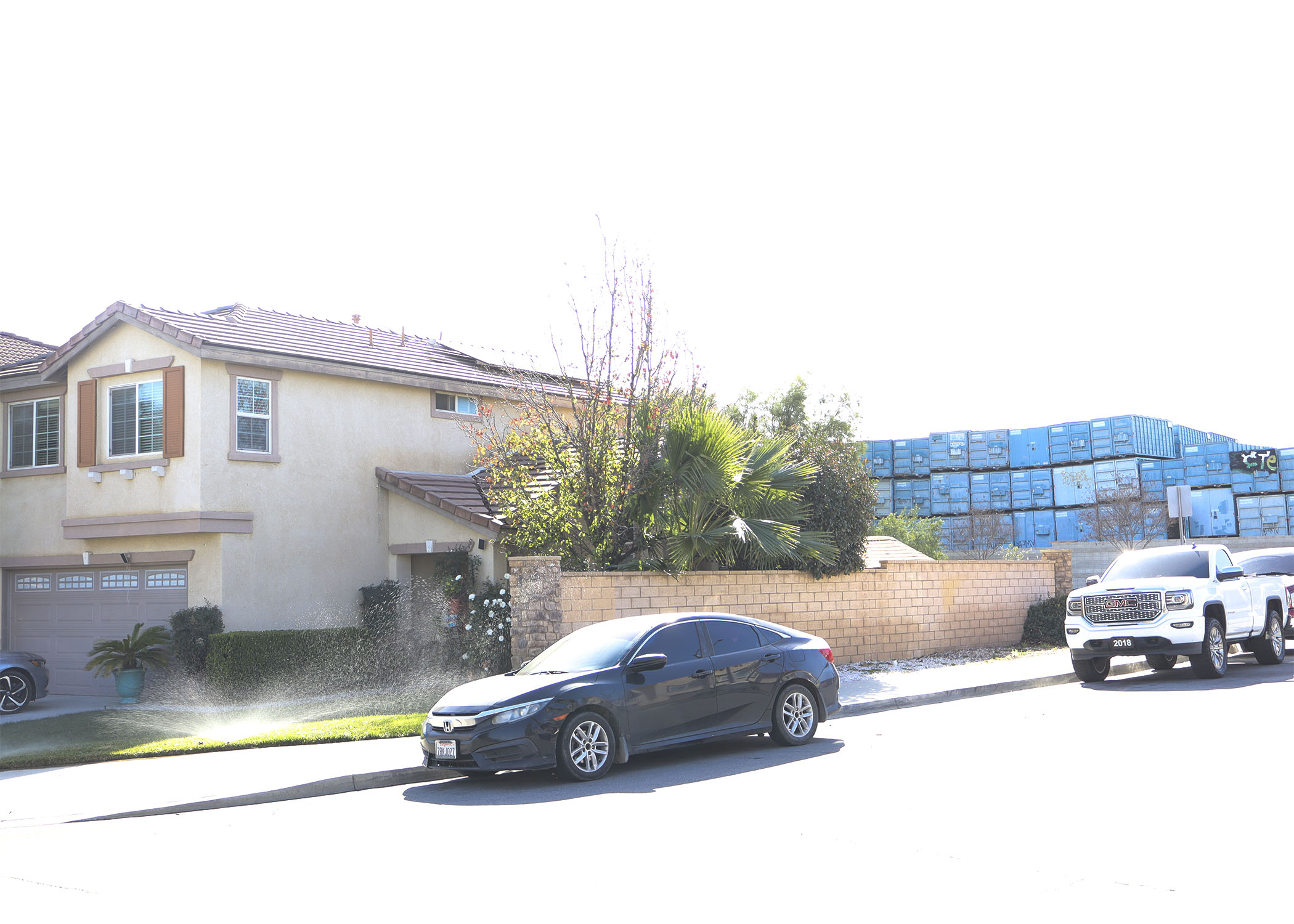
Too Many Warehouses: Industrial Expansion Meets Community Resistance in a California Town
Perris residents are pushing back against the proliferation of warehouses as city leaders impose a 10‑month hiatus on new industrial development. "How is it possible that a park is boxed by shipping containers?" asked one resident.

January 2, 2026
The Truth Behind the ‘Misunderstood’ Athlete: Allen Iverson
NBA superstar, father, businessman, Hall of Famer, and now, an author; Allen Iverson details triumphs and setbacks in new memoir Misunderstood.