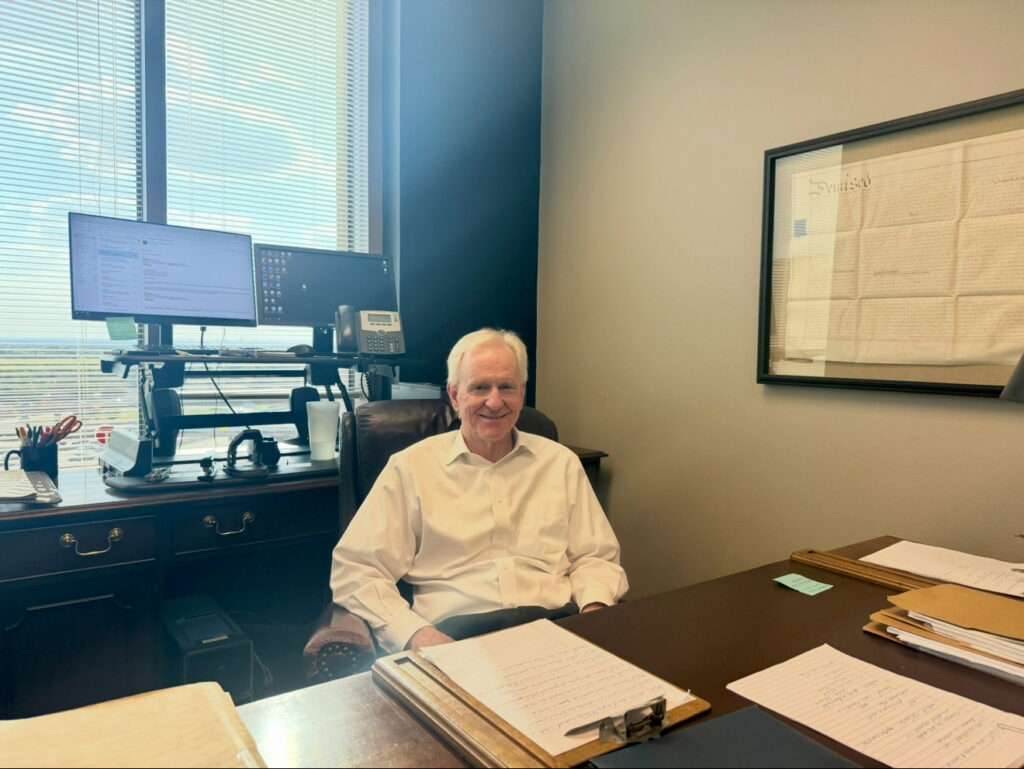
DALLAS, Texas – As an attorney with expertise in special needs planning, Rick O’Connor emphasizes the importance of “special needs trusts” to maintain disability benefit eligibility and protect wealth intended for a beneficiary with an intellectual disability.
With over three decades of practice and his own experiences navigating the system for his brother with autism who has high-supportive needs, the Click interviewed O’Connor who explained these legal services that he believes should be affordable.
This interview was edited for clarity and length.
The Click: How are special needs trusts different from other types of trusts?
O’Connor: A special needs trust is typically not to be used to pay for anything that a person can receive from their programs and benefits, but rather to supplement programs and benefits, so to pay for and purchase things that cannot be obtained through programs and benefits. And those things typically improve the person’s life, give them greater comfort, more interesting experiences, travel, perhaps more safety, things like that.
What is the difference between a third-party and first-party special needs trust?
Third-party special needs trusts are the most common. It’s the type of trust that would be created by parents for their special needs child to be funded through their estate when they die. Typically, the trust is created but remains empty or dormant until the parents die.
A first-party trust, on the other hand, is a special needs trust that is funded with the person with a disability’s own money. [There] is a provision that says, upon the [beneficiary’s] death, any remaining balance is subject to assessment by the state in which the person lives for reimbursement of the value of any Medicaid services the person received during their life. So, in Texas, the state of Texas gets the first shot at any remaining balance of a first party special needs trust when the person dies.
What is the typical age of beneficiaries when establishing special needs trusts?
It really runs the gamut. It’s not uncommon for people to come to me with a very young disabled child, but it could be earlier or later–it could be any time.
How long does the initial setup of the trust take?
Special needs planning is done strictly in the office. There are no court or government entities involved. So, theoretically, it could be done in a day or two.
Are there common misconceptions regarding your work or the need for special needs estate planning?
I’m not sure if this is a misconception but there’s a belief and there’s some truth in it, that it’s really expensive, that it’s thousands and thousands of dollars to create these arrangements.
I think that prospective clients are intimidated by that and reluctant to take action.
You charge an approximately $900 fee while fees for similar services in the US can range between $2,000 to $6,000. How are you able to make your fees relatively affordable?
So, it’s a well-oiled machine. It’s the experience. I have an outstanding assistant. And it’s a choice. It’s like a personal mantra.
What would you like to see in the future for your practice?
I’d love to see this practice continue in a way that offers legal access to people who otherwise wouldn’t have it and to continue to have a heart and have empathy for the clients. [And] to be a place where clients can come and feel like they are really cared for.
Related Posts
February 20, 2026
Too Many Warehouses: Industrial Expansion Meets Community Resistance in a California Town
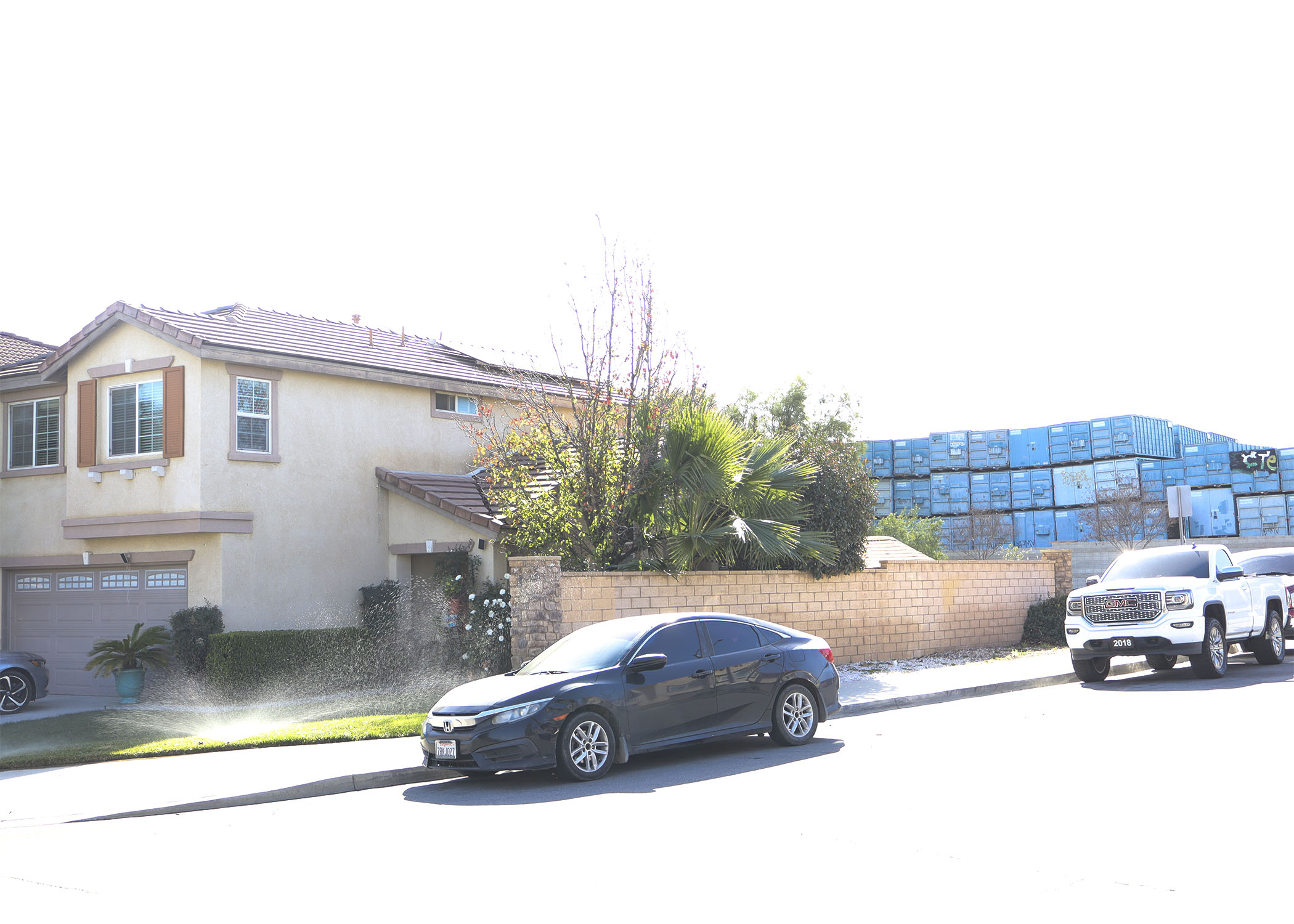
Perris residents are pushing back against the proliferation of warehouses as city leaders impose a 10‑month hiatus on new industrial development. "How is it possible that a park is boxed by shipping containers?" asked one resident.

February 2, 2026
At 31, She Had a Heart Attack. A Decade Later, She’s Redefining Her Story
Ten years ago, Kisha Stewart was just 31 when she suddenly collapsed with crushing chest pain — what she thought was postpartum fatigue turned out to be a heart attack caused by Spontaneous Coronary Artery Dissection.