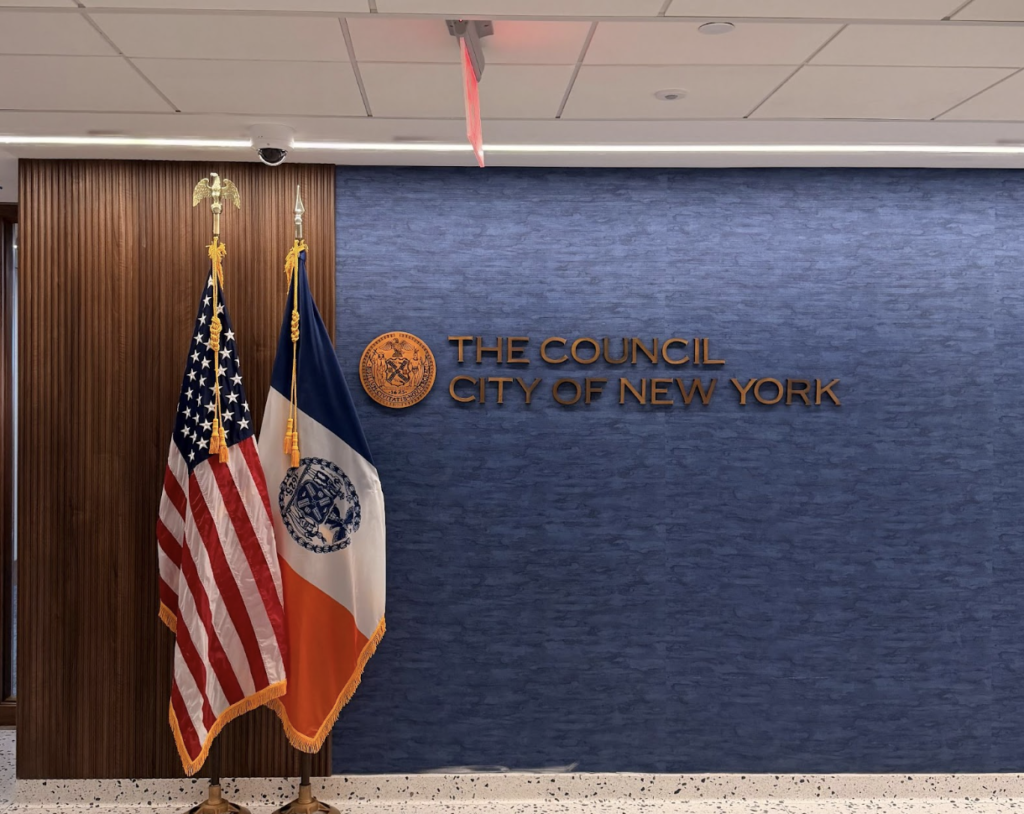
(NEW YORK ) —New York City Housing Authority (NYCHA) tenants have complained about mold and leaks within their apartments for years. Despite work order requests and complaints over unresponsiveness, these issues continue to go unresolved. Residents had an opportunity to vent before a city council committee in hopes of having the issues resolved once and for all.
The New York City Council Committee on Public Housing held a hearing at City Hall on Oct. 27. About 25 people attended including residents, attorneys, government officials with security guards stationed on both sides. The crowd ranged from young adults to older residents, but despite their differences in age, everyone shared one common goal: pushing for the remediation of mold and leaks in the city’s public housing.
Council member and committee chair Chris Banks opened the hearing describing the collective problems as a “serious and ongoing crisis” among residents.
He later summarized the major issues tenants continue to face: long wait times, bandaid fixes, inconsistent communication from NYCHA, breathing problems, and health complications.
Since 2019, NYCHA has been under a federal court order to address mold and other hazardous conditions in city-owned housing. Banks noted that by 2021, the authority’s compliance rate for repairs was supposed to reach 95%. However, in 2025, it remains only 20%, an improvement over the 7% reported last year, but still far below the target.
Residents’ testimony followed with several panelists getting emotional and frustrated when discussing the issues they have had with NYCHA over the past years and even decades. On the panel sat three women who are tenants at NYCHA: Tabitha War, Wanda Sales, and Maria Romain.
Romain, an elderly woman who has lived in NYCHA housing since 1975, said that despite years of promises, NYCHA repeatedly failed to follow through on repairs. It wasn’t until she contacted the Mold and Leak Ombudsperson Call Center (OCC) that her issues were finally resolved, she said.
That theme continued throughout the testimony. Wanda Sales, a mother of two, lost hope in NYCHA after realizing that her home was dangerous for her and her children to live in due to inhaling the mold. After being told they would be moved to a new unit from NYCHA, communication stopped, she said. Similar to Romain, it was not until her communication with the OCC that her issues were resolved. Sales’ testimony was emotional; at one point she was brought to tears while looking at her young children in the audience as she reflected on what they had to endure.
Asked what solutions they wanted from NYCHA, all three panelists said they wanted the same thing: better communication with tenants. “I just want to be helped,” Sales said.
Following residents’ testimony, monitors, who collect and analyze data on lead paint, mold, lack of heat or hot water, elevators, pests, and waste, took the floor. Neil Barofsky, who oversees NYCHA’s compliance efforts, began by expressing sympathy for affected residents and outlined steps being taken to raise the compliance rate toward the 95% goal. He also stressed that protecting NYCHA’s budget is essential to sustaining progress.
Beside Barofsky sat César de Castro, court appointed ombudsperson for the OCC, who opened by saying, “The OCC model has worked and continues to work.” He cited progress made by the call center but noted its biggest challenge remains lack of awareness among tenants.
A question-and-answer session followed, during which council members emphasized the need for stronger outreach by the OCC and more consistent communication systems within NYCHA.
As the hearing concluded, Banks announced that the record will remain open for an additional week so that NYCHA residents and officials can submit supplemental documentation on mold-remediation. NYCHA was asked to return at the next meeting with updated data on outstanding mold complaints, repair turnaround times, and funding allocations.
Related Posts
February 20, 2026
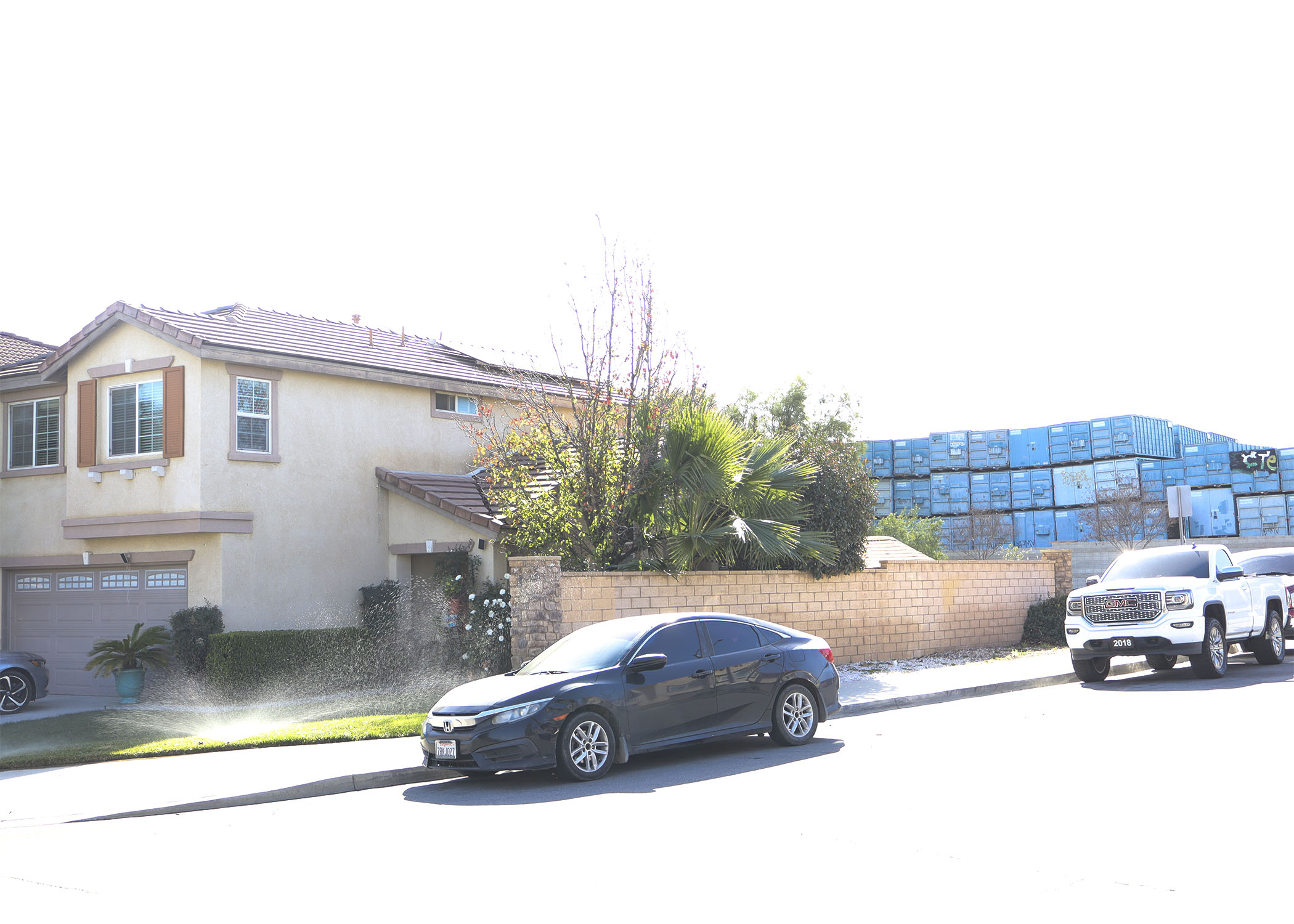
Too Many Warehouses: Industrial Expansion Meets Community Resistance in a California Town
Perris residents are pushing back against the proliferation of warehouses as city leaders impose a 10‑month hiatus on new industrial development. "How is it possible that a park is boxed by shipping containers?" asked one resident.

January 2, 2026
The Truth Behind the ‘Misunderstood’ Athlete: Allen Iverson
NBA superstar, father, businessman, Hall of Famer, and now, an author; Allen Iverson details triumphs and setbacks in new memoir Misunderstood.