

In the age of digital journalism, visibility is both a tool and a risk. Reporters build their audiences on the same platforms where harassment thrives, and for many of them, the backlash begins only after their work goes live. Women and journalists of color are disproportionately targeted, facing twice the rate of online abuse compared to their peers, according to recent newsroom safety research.
Legal digital journalist Meghann Cuniff, known for her reporting on high-profile court cases, has built a career on transparency and accessibility. Audiences are drawn into her real-time coverage of complex legal battles, and her reporting has gone viral multiple times. That visibility allows her to reach readers directly, but it also exposes her to a growing wave of harassment online.
Data from the International Women’s Media Foundation and PEN America shows that harassment impacts more than mental health. Many journalists who experience abuse pull back from platforms, self-censor, or alter their reporting habits to stay safe. For digital reporters whose income and credibility depend on public trust, that trade-off can reshape their careers.
Experts argue that protecting journalists in this landscape requires more than individual resilience. Newsrooms must establish clear anti-harassment policies, offer digital safety training, and provide mental health support. Without systemic change, journalists will continue bearing the burden of working in a space where visibility both fuels their careers and makes them vulnerable.
Special Report: Uncovered: Connected Worlds
January 1, 2026
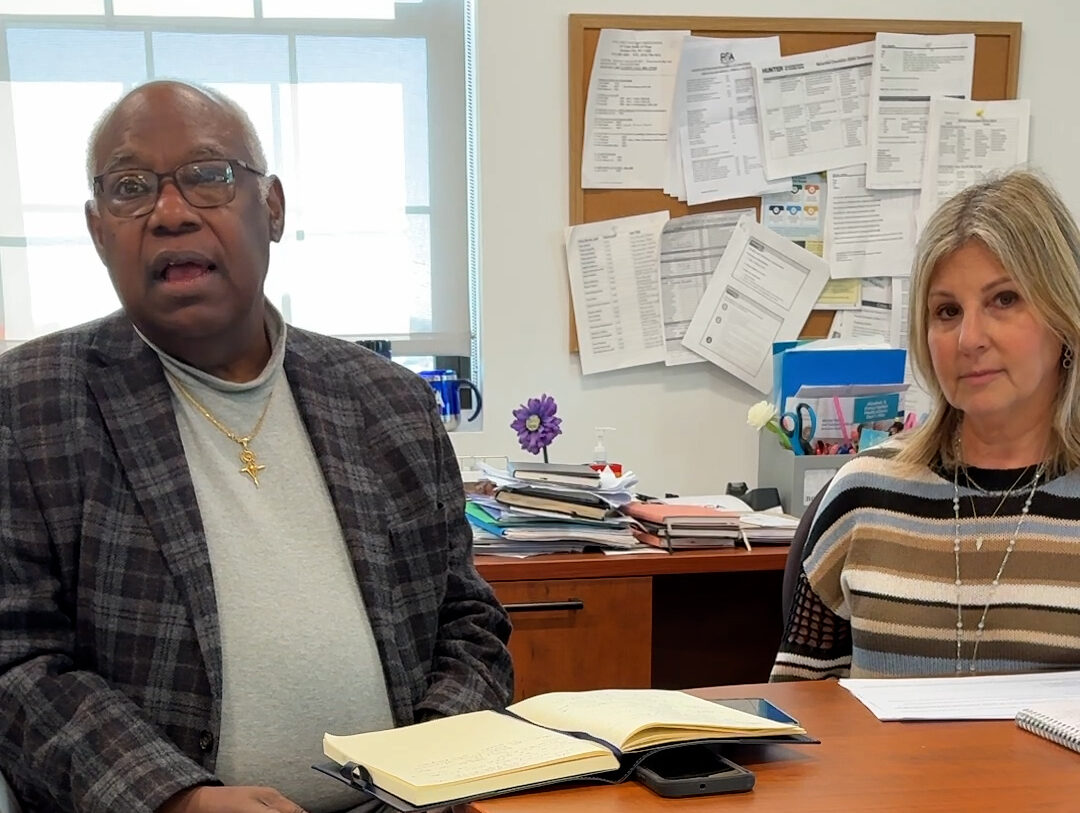
The Struggles of Being a Senior in Nassau County
Nassau County seniors have been facing increasing financial pressure requiring the help of new senior services

January 1, 2026
This Deaf Designer Wants Shanghai to Be More Inclusive
Chinese designer Liu Yi’s "empathy walks" bring hearing people into the world of deaf and hard-of-hearing people.

January 1, 2026
Music in the Present Tense: Inside the Rise of Protest Rap
How music sounds when artists respond to political urgency
January 1, 2026
New Mexico Residents Push Back on $165B Data Center
Years of dealing with unsafe drinking water, residents of southern New Mexico grow concerned as a data center gets ready to move in.

January 1, 2026
Narmer Palette: A Place to Paint, Relax, and Breathe
Adults come to the Cairo art space to unwind and connect — no artistic experience needed.