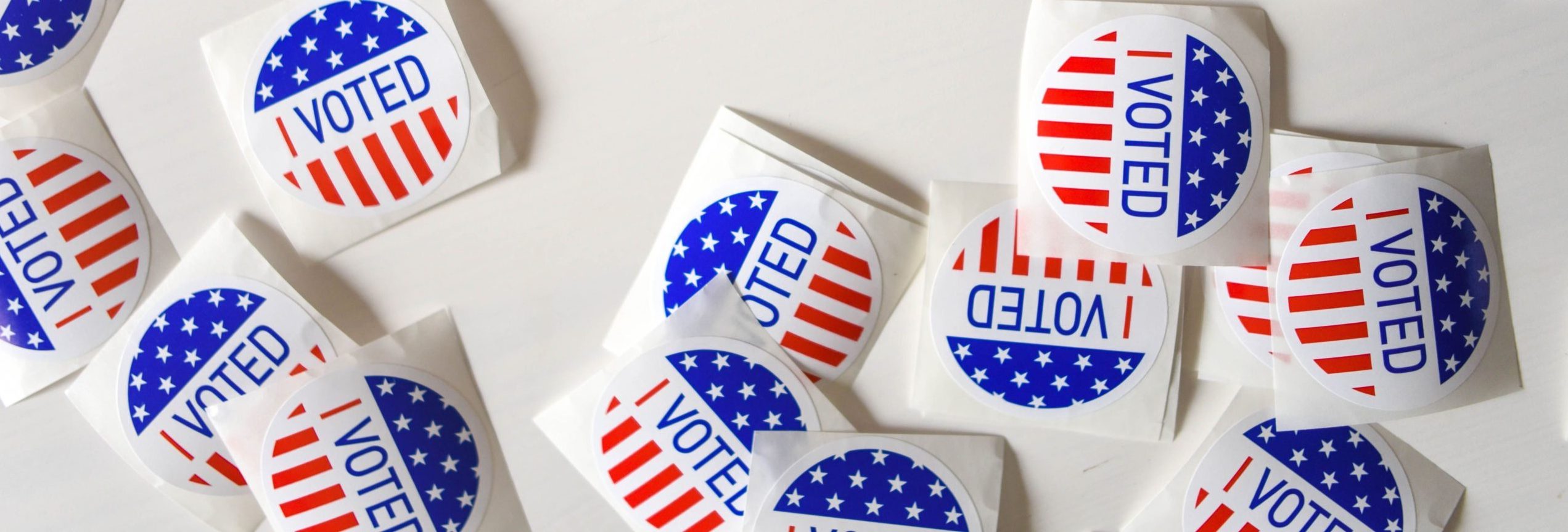
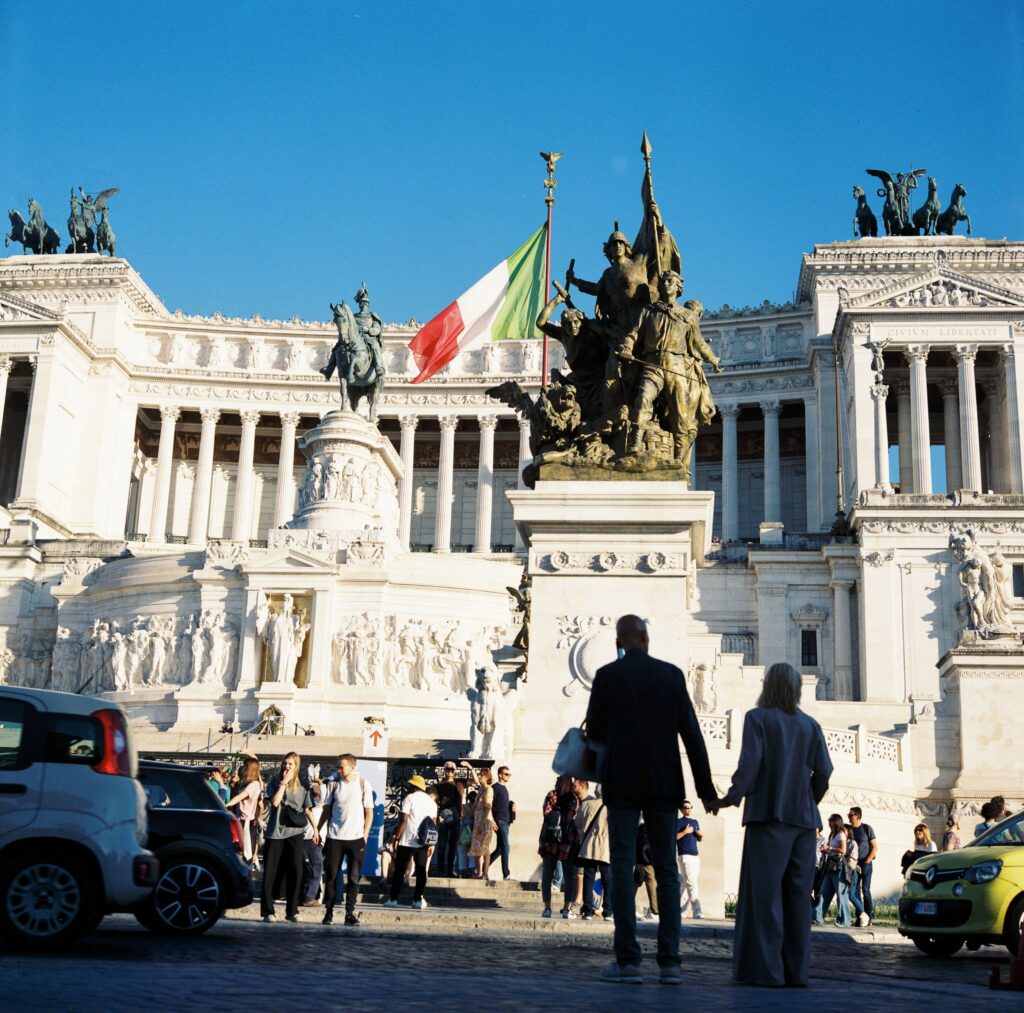
(GENOA, Italy) — Americans tend to see the US as the center of the universe, and with the midterm elections happening this week, it’s easy for them to assume all eyes are on America. What will happen? What will change in their system? But across the ocean, people have other things on their minds, and other problems to tackle.
For many Italians, it is simply another Tuesday.
Europe faces a range of challenges. Its countries differ in language, religion and culture, and its political landscape is fragmented in ways that can be difficult for Americans to grasp. Yet one concern cuts across national borders: the soaring cost of living. This is what is pushing people to protest all over the continent. The demonstrations in October are raising concern because of the violent turn they sometimes take.
On October 31, tens of thousands of people demonstrated in more than 30 German cities, protesting rising living costs and calling for improvements in education, housing and social policies. In France, authorities reported more than 500 arrests in October. Italy also experienced widespread protests and episodes of violence.
On October 17 and 18, in Milan, during the protests a group of rioters smashed shop windows, looted businesses and clashed with police. That same weekend in Bologna, protesters threw stones, bottles, smoke bombs and other objects during confrontations with security forces. On October 30, a nationwide general strike took place in Italy. In Genoa, dockworkers protested rising living costs, military spending and arms shipments, blocking access to parts of the port. Earlier in October, separate transport protests and logistical blockades in southern Italy had disrupted food production and distribution, leaving some supermarket shelves empty.
Police arrested and detained protesters in several cities, but the demonstrations continued. On December 12, a national demonstration is planned “against the cost of living, the war economy, and the Meloni government.”
When The Click asked some Italians what they thought about the American midterms, their responses ranged from “what are these elections about?” to “are they taking Trump down?”
Italy, unlike the US, has many parties — that often disagree with one another. To challenge the current government, opposition parties are looking for ways to become allies and present an alternative to conservative Prime Minister Giorgia Meloni in next year’s election.
Unlike Americans, Italians do not directly elect the head of government. Voters elect a parliament, the president appoints the prime minister, and the government must secure the confidence of both chambers. Attention is now turning to Italy’s next parliamentary election, due by the fall of 2027, though it could be brought forward to next spring. Although the parliament is elected for five years, Italian governments have historically lasted much less time than that: the average is about 14 months. The country has had 68 governments since 1946 and 66 government crises. Meloni, who leads the nationalistic Brothers of Italy party, took office in 2022, leads the longest-serving government in the history of the Italian Republic.
With all of this going on, Italians are not so focused on America and its current elections. When The Click asked some Italians what they thought about the American midterms, their responses ranged from “what are these elections about?” to “are they taking Trump down?”
That doesn’t mean the elections go unnoticed, but the media coverage may not look the way Americans imagine. A US presidential election is easier for Italians to grasp. A different president can mean different consequences even for Europeans, from trade to the war in Ukraine. By contrast, midterm elections, which occur between presidential election years, receive more explanatory coverage, with Italian outlets often beginning by telling readers why the elections matter at all. The explanations are usually basic, starting with what the midterms are and when they take place.
The difference in perspective makes sense in a country where a coalition can collapse and a prime minister can fall within months. The midterms may reshape American politics, but across the Atlantic they are competing for attention with crises much closer to home. For Americans, Tuesday, November 3 dominates the political calendar. For many Italians, it is simply another Tuesday.