
(STAFFORD, Va.) — Virginia voters will decide Tuesday, Nov. 3, whether to add to the Virginia Constitution’s Bill of Rights the ‘fundamental right to make and carry out decisions about a person’s own reproductive care with only certain, specific exceptions,’ limiting the state’s power to restrict abortion, contraception, fertility treatments, and other reproductive health decisions.
Virginia’s Constitution currently makes no mention of reproductive freedom.
If approved, Question 1 would ‘protect the freedom to make personal decisions about prenatal care, childbirth, postpartum care, birth control, abortion, miscarriage management, and fertility care. The amendment would further prohibit the state from punishing people for pregnancy outcomes, including miscarriage or stillbirth, and protect those who help others exercise these rights with their consent.
Under current Virginia law, abortion is generally permitted during the first two trimesters. In the third, it must occur in a hospital, with three physicians certifying that continuing the pregnancy would likely cause death or serious irreversible harm to the patient’s physical or mental health or the fetus is not viable.
If approved, Question 1 would still allow third-trimester restrictions above. In addition it would prohibit the state from passing any laws to prohibit these restrictions in the future.
What Supporters and Opponents Say
When Christopher Newport University’s Wason Center surveyed Virginia voters in January, 66% supported adding reproductive rights to the state constitution, while 28% opposed the proposal. The poll included 807 registered voters and had a margin of error of 4.4 percentage points. Those findings reflect January’s views, which may have changed by Election Day.
At an October rally in Richmond, Han Jones, campaign manager for Virginians for Reproductive Freedom, argued that patients and doctors should make reproductive health decisions without political interference.
“At no point is a politician more qualified than you and your doctor to make personal decisions about your health care and pregnancy,” Jones told the crowd.
Supporters want constitutional protections that future lawmakers cannot easily overturn.
Dr. Timothy Bowley, an OB-GYN and founding member of Virginia Medical Professionals for Women’s Safety, told WTVR the proposal is “so vague and broad-reaching that it covers all aspects of reproductive care.”
The Virginia Catholic Conference and The Family Foundation oppose the amendment, citing concerns about abortion regulations and patient safety.
Opponents also question how the amendment might affect parental consent laws.
Virginia generally requires minors seeking abortions to obtain parental consent or court authorization with some exceptions. Question 1 doesn’t explicitly address those requirements, leaving open the possibility of court challenges.
By Oct. 28, Question 1 supporters had raised about $4.18 million, roughly three times the $1.37 million raised by opponents, according to Virginia Public Access Project figures reported by The Cavalier Daily.
Together, the two sides raised about $5.5 million, more than either of Virginia’s other constitutional amendment campaigns.
What a Yes or No Vote Means
If approved: Reproductive freedom would become a constitutional right in Virginia on Jan. 1, 2027. Existing abortion laws could face court challenges, and future restrictions would have to meet stricter constitutional standards.
If rejected: Virginia’s current abortion laws would remain in place. Lawmakers could still change them through legislation, subject to federal law and other applicable protections.
RELATED: Virginia Voters Reconsider 20-Year-Old Same-Sex Marriage Ban
RELATED: Virginia Voters Decide Who Regains Voting Rights After Prison
Special Report: Election 2026: The US Midterms
November 11, 2026
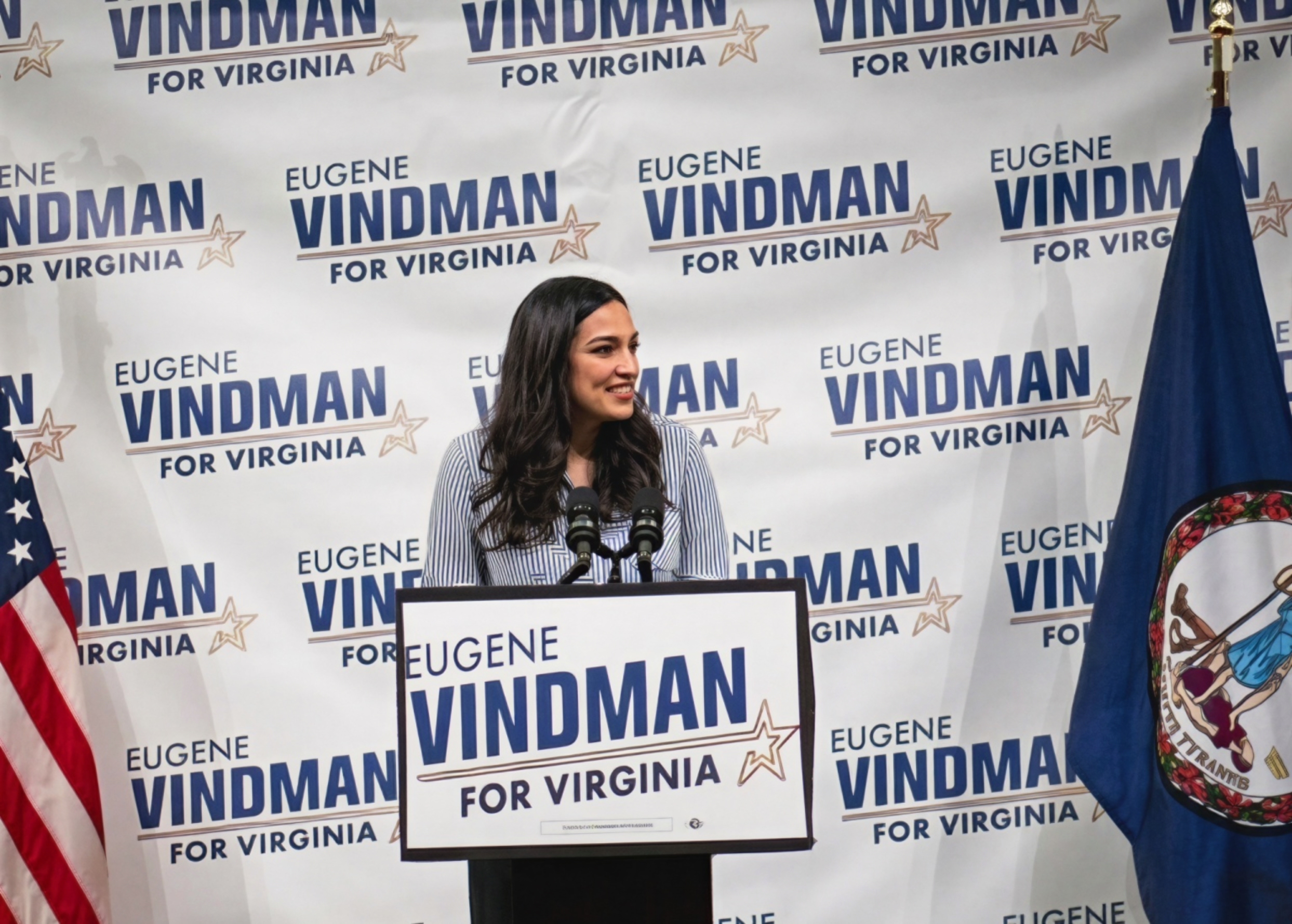
Beyond the Podium: AOC, Vindman, and Virginia Voters
Four days before the midterms, hundreds gathered in Dumfries to hear Alexandria Ocasio-Cortez and Eugene Vindman. But some of the most memorable moments happened away from the podium.
November 11, 2026
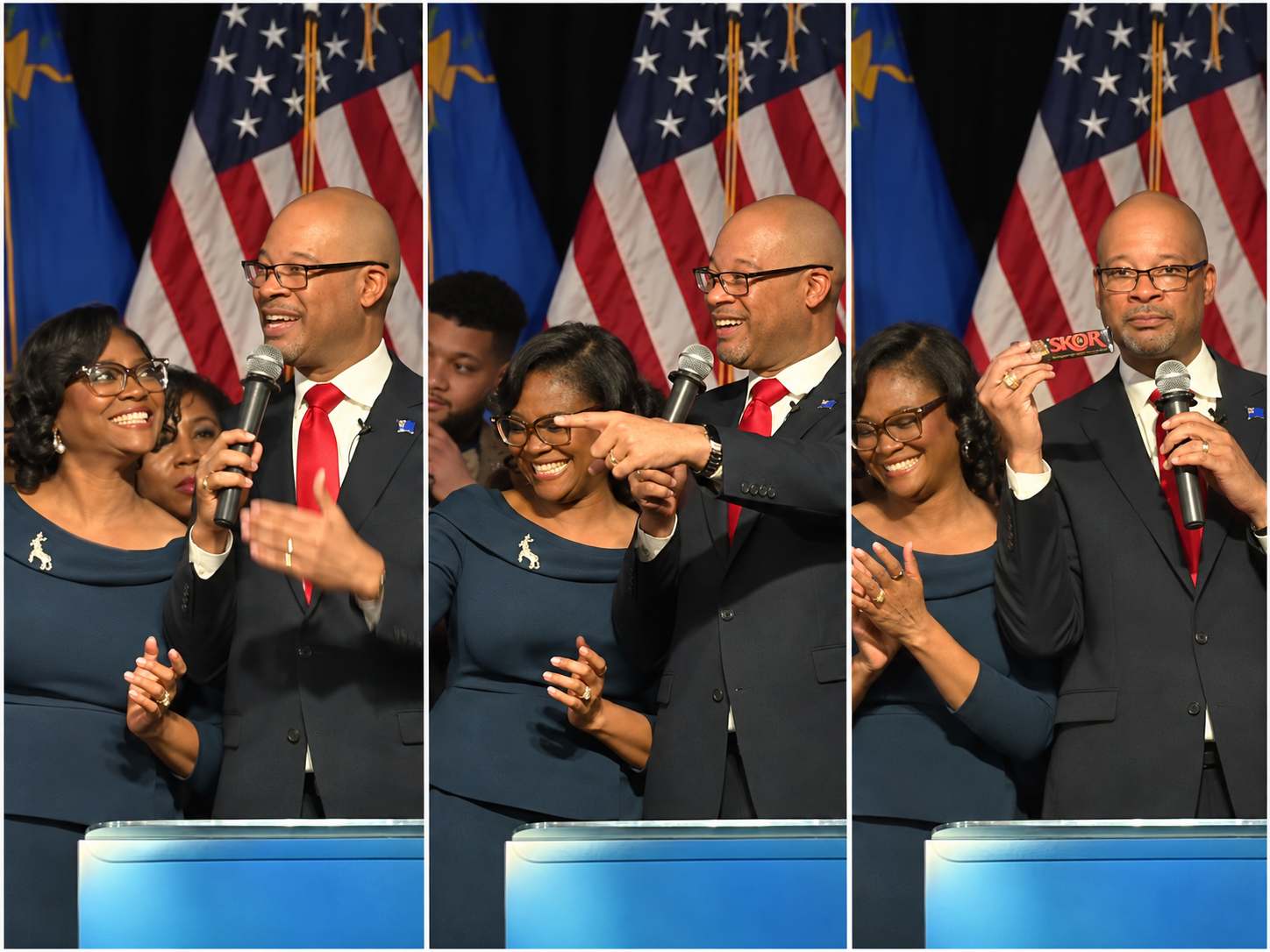
Aaron Ford Unseats Nevada Gov. Joe Lombardo in Historic Democratic Win
Ford’s win marks a turning point for Nevada, returning Democrats to the governor’s office after a campaign focused on affordability, housing, and the cost of daily life.
November 3, 2026
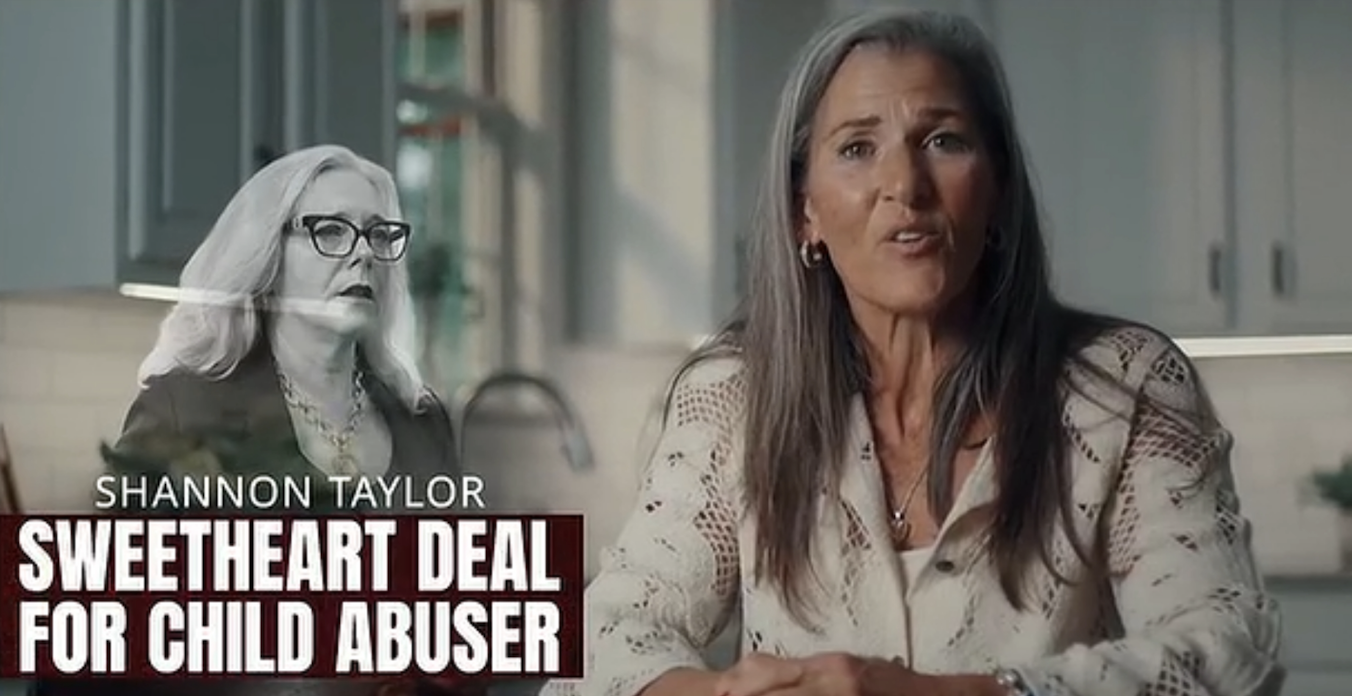
Fact-Checking Attack Ads in Virginia
Attack ads, disputed claims, and millions in campaign spending helped shape the fight for Virginia’s 1st and 7th Congressional Districts.
November 3, 2026
From Policy to Personal Attacks: Inside Ohio’s 2026 Campaign Ads
Ohio's 2026 election cycle has brought a wave of controversial political advertisements, many centered on personal attacks and divisive social issues. However, the messages conveyed in these ads don't necessarily reflect what voters are most concerned about.
November 3, 2026
Virginia Voters to Decide Who Regains Voting Rights After Prison
Question 3 would restore voting rights after incarceration without the governor's approval. A federal court ruling has already changed eligibility for many Virginians.