(STAFFORD, Va.) — Virginia voters will decide Tuesday, Nov. 3, whether people convicted of felonies should automatically regain voting rights after leaving prison. A federal court ruling has already changed eligibility for many Virginians.
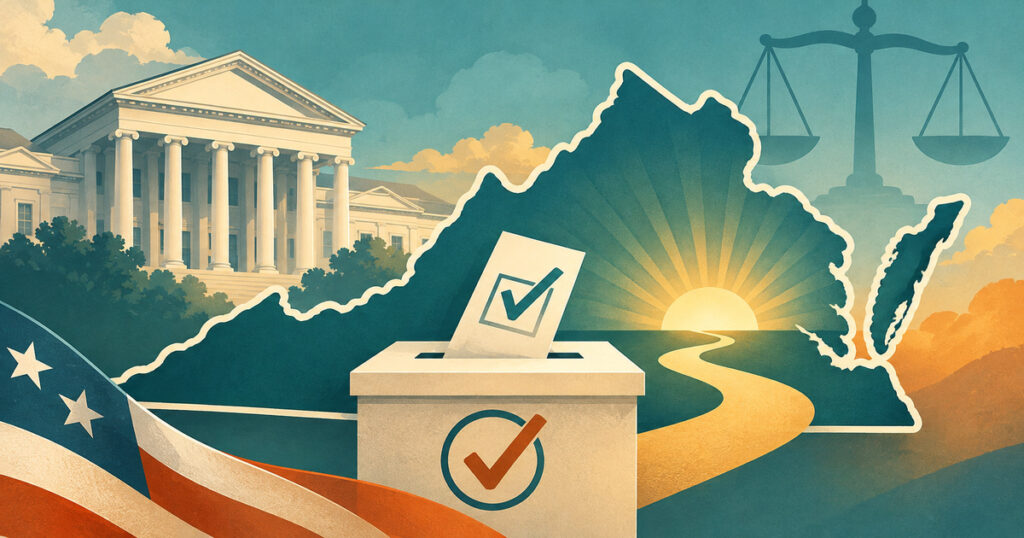
If approved, Question 3 would restore voting rights upon release from incarceration, regardless of the felony conviction, without requiring the governor’s approval.
The amendment would also establish voting as a fundamental right in Virginia’s constitution. It would require courts to find that someone cannot understand the act of voting before denying that right because of incapacity. A similar protection took effect under Virginia law in July.
Virginia’s constitution currently bars people with felony convictions from voting unless their rights are restored by the governor or another appropriate authority.
In January, U.S. District Judge John A. Gibney Jr. ruled that Virginia’s broader restrictions violated the Readmission Act of 1870, a federal law limiting which felony convictions could result in the loss of voting rights.
The court identified 11 categories of common-law felonies recognized in 1870. In an August ruling, Gibney rejected the state’s attempt to apply those categories more broadly.
Under current Virginia Department of Elections guidance, many people with felony convictions can now register after leaving prison without the governor’s approval.
The state identifies three statutory offenses that still require the governor to restore voting rights: murder, voluntary manslaughter, and involuntary manslaughter.
What Supporters and Opponents Say
A January poll by Christopher Newport University’s Wason Center found that 64% of registered Virginia voters supported automatically restoring voting rights after incarceration. The survey included 807 registered voters and had a margin of error of plus or minus 4.4 percentage points.
The survey was conducted before the Jan. 22 court ruling, and opinions may have changed since then.
Supporters say voting rights shouldn’t depend on who occupies the governor’s office.
“I don’t want a Democratic governor or a Republican governor to be able to restore someone’s ability to vote,” Del. Sam Rasoul, a Roanoke Democrat, told WDBJ7.
Opponents argue that release from prison shouldn’t be the only requirement for restoring voting rights.
Republican state Sen. Chris Head told WDBJ7 that people should also fulfill court-ordered obligations, including restitution, before regaining their rights. He argued that the amendment doesn’t account for those responsibilities.
The Virginia Catholic Conference supports Question 3, while some Republican lawmakers oppose automatic restoration without additional conditions.
What a Yes or No Vote Means
If approved: Starting Jan. 1, 2027, Virginians with felony convictions would regain voting rights upon release from prison, regardless of the offense. They would still need to register but would no longer need the governor’s approval.
The amendment would also restore related political rights, including eligibility for jury service, public office, and notary appointments.
If rejected: Virginia’s existing constitutional restrictions would remain. The 2026 federal court order would still allow many people with felony convictions to register to vote while it remains in effect. Those convicted of offenses that remain disqualifying would continue to need the governor’s approval.
RELATED: Virginia Voters Reconsider 20-Year-Old Same-Sex Marriage Ban
RELATED: Virginia Voters Decide on Reproductive Rights Amendment
Special Report: Election 2026: The US Midterms
November 3, 2026
Virginia Voters to Decide on Reproductive Rights Amendment
Question 1 asks whether reproductive freedom should be written into Virginia’s constitution, potentially changing abortion restrictions and parental consent laws.

November 3, 2026
Virginia Voters to Reconsider 20-Year-Old Same-Sex Marriage Ban
Virginia voters approved the ban in 2006. Though unenforceable today, it remains in the state constitution. Question 2 gives voters a chance to remove it.
November 3, 2026
Gainesville Voters Head to the Polls as Florida Decides Key Midterm Races
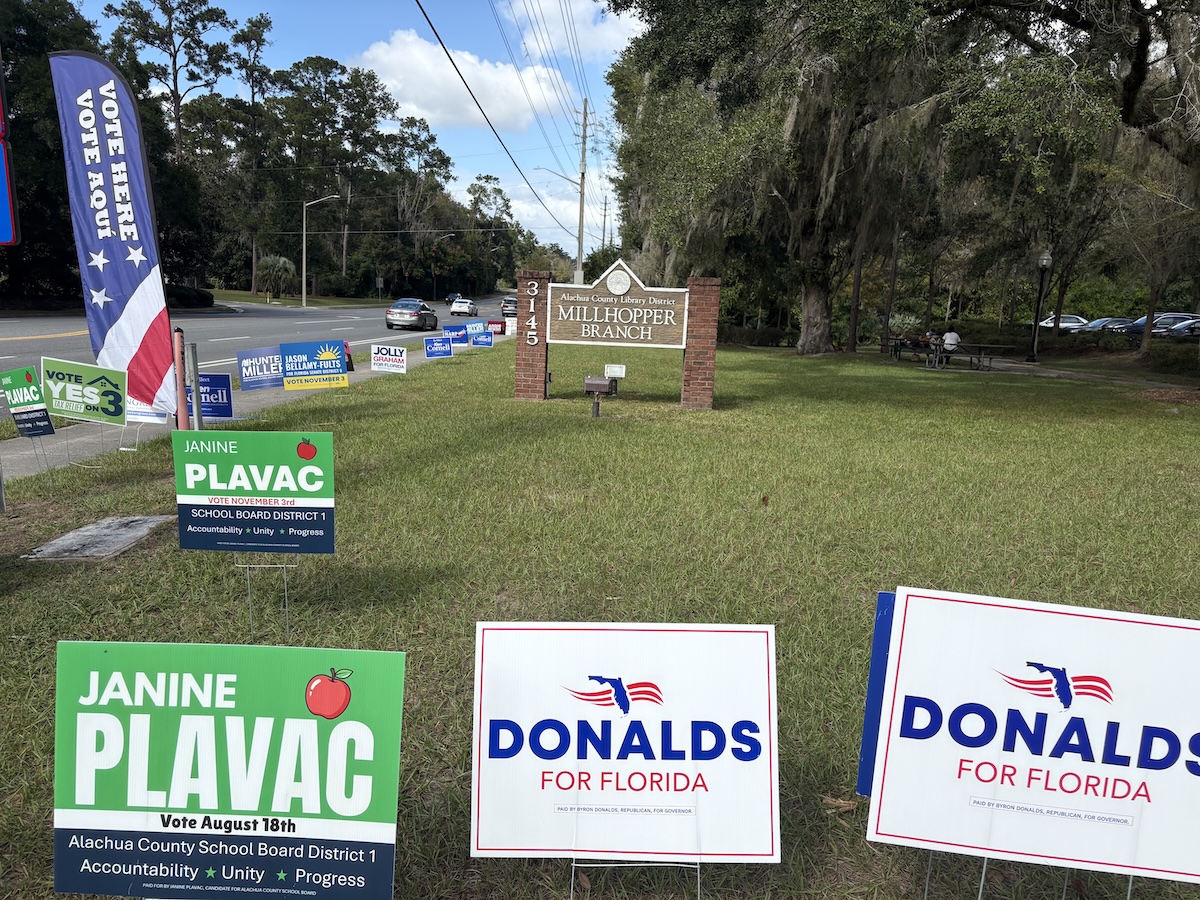
As voters made their way to polling places across Gainesville on Tuesday, the 2026 midterm elections brought a mix of local and statewide decisions to the ballot. From the race for Florida governor to local county commission and school board contests, voters faced choices that could shape the direction of their communities and the state.
November 3, 2026
Waiting for My Vote to Count in Texas
My voter registration was active, but I couldn't vote until my married name matched my given name on the registry. This, as it happened, took months to sort out.
November 2, 2026
Midterms 2026 Live Blog
With over 50 million early ballots already cast, The Click reporters cover some of the biggest races in the 2026 Midterm Elections.