(STAFFORD, Va.) — Twenty years after Virginia voters approved a constitutional ban on same-sex marriage, they’ll return to the polls Tuesday to decide whether or not to repeal it.
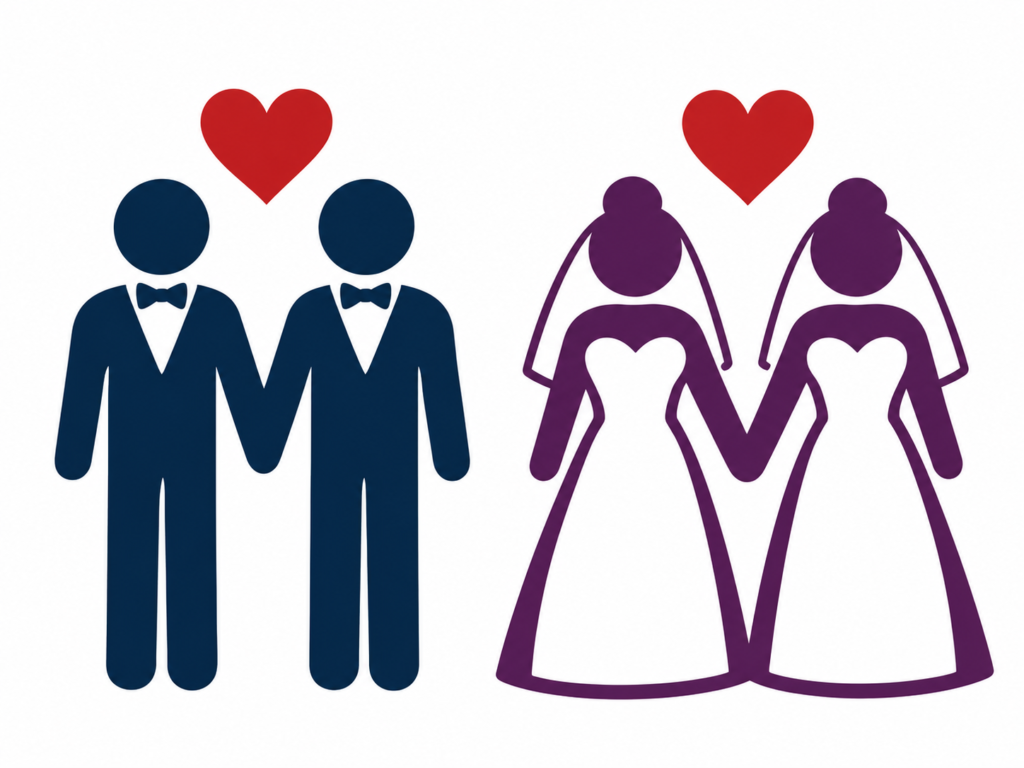
If approved, Question 2 would remove the Marshall-Newman Amendment, which defined marriage as a union between one man and one woman. The new language would guarantee the right of any two adults to marry, regardless of sex, gender, or race.
In 2006, about 57% of Virginia voters supported the ban.
Same-sex couples have been able to marry legally in Virginia since 2014, following a federal court ruling. A year later, the U.S. Supreme Court’s decision in Obergefell v. Hodges established marriage equality nationwide.
A 2024 Virginia law prohibits marriage discrimination based on sex, gender, or race.
Virginia’s 2006 constitutional ban remains, though federal rulings prevent its enforcement.
What Supporters and Opponents Say
Supporters say marriage equality shouldn’t depend on court rulings or laws that future lawmakers could repeal.
“No family in Virginia should have to wonder whether their rights will be protected tomorrow,” Narissa Rahaman, executive director of Equality Virginia, said at the June launch of the marriage equality campaign.
Legal marriage affects inheritance, medical decisions, taxes, and other family responsibilities. Supporters want those protections written into the constitution.
Opponents, including the Virginia Catholic Conference and The Family Foundation, have raised concerns about religious freedom and the amendment’s broader legal implications.
Victoria Cobb, president of The Family Foundation, told WTVR that she worries religious organizations could face lawsuits if they decline to perform same-sex marriages.
Cobb also questioned why the amendment mentions sex and gender separately, arguing that the wording could affect legal disputes beyond marriage.
Virginia law allows religious organizations and clergy acting in a religious capacity to refuse to perform marriages. Opponents still question how courts might interpret the proposed amendment.
What a Yes or No Vote Means
If approved: Virginia’s 2006 marriage ban would be removed from the state’s constitution on Jan. 1, 2027. Any two adults would have a constitutional right to marry, regardless of sex, gender, or race, and the state would have to recognize all lawful marriages equally.
If rejected: Same-sex marriage would remain legal under current federal and state law. The 2006 ban would stay in the constitution, however, and could lead to legal challenges if the Supreme Court overturned its 2015 marriage equality ruling.
RELATED: Virginia Voters Decide Who Regains Voting Rights After Prison
RELATED: Virginia Voters Decide on Reproductive Rights Amendment
Special Report: Election 2026: The US Midterms
November 3, 2026
Virginia Voters to Decide on Reproductive Rights Amendment
Question 1 asks whether reproductive freedom should be written into Virginia’s constitution, potentially changing abortion restrictions and parental consent laws.
November 3, 2026
Virginia Voters to Decide Who Regains Voting Rights After Prison
Question 3 would restore voting rights after incarceration without the governor's approval. A federal court ruling has already changed eligibility for many Virginians.
November 3, 2026
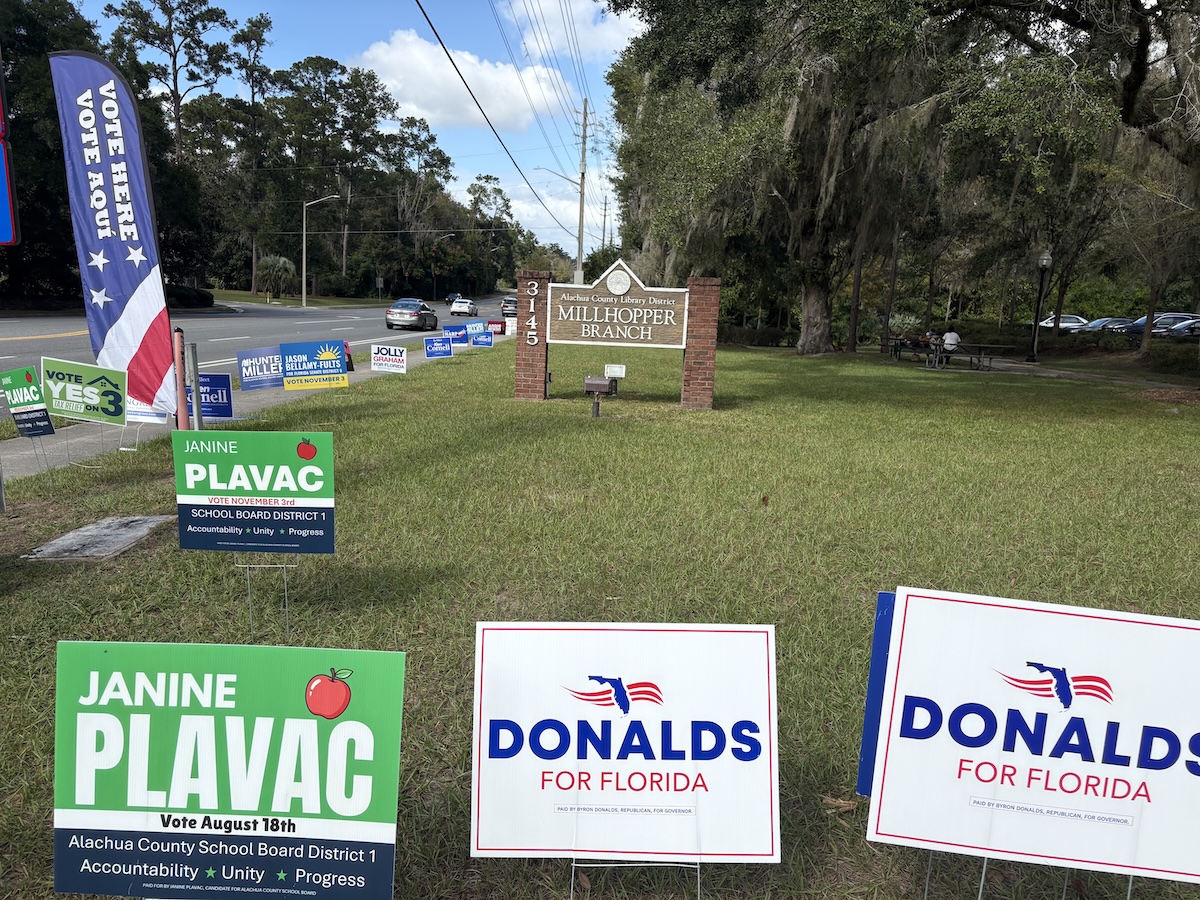
Gainesville Voters Head to the Polls as Florida Decides Key Midterm Races
As voters made their way to polling places across Gainesville on Tuesday, the 2026 midterm elections brought a mix of local and statewide decisions to the ballot. From the race for Florida governor to local county commission and school board contests, voters faced choices that could shape the direction of their communities and the state.
November 3, 2026
Waiting for My Vote to Count in Texas
My voter registration was active, but I couldn't vote until my married name matched my given name on the registry. This, as it happened, took months to sort out.
November 2, 2026
Midterms 2026 Live Blog
With over 50 million early ballots already cast, The Click reporters cover some of the biggest races in the 2026 Midterm Elections.